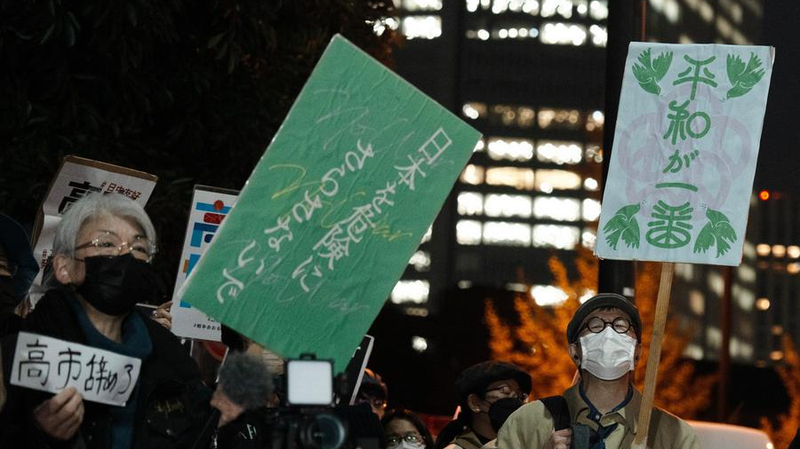
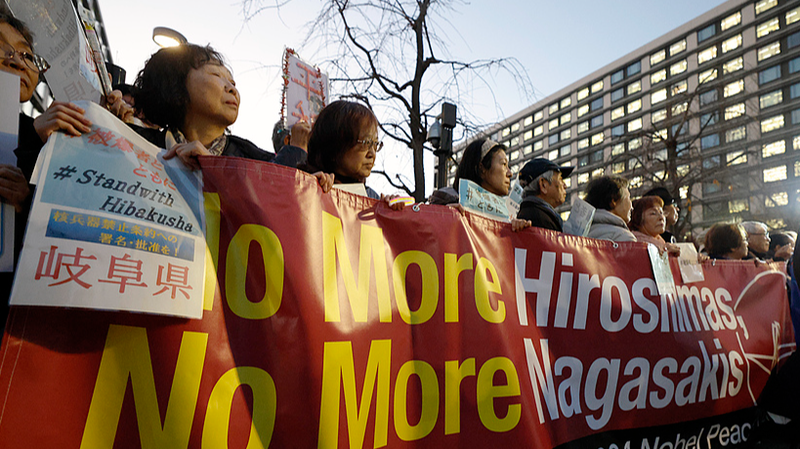
Recent calls by Japanese officials to reconsider the nation’s non-nuclear principles have sparked regional alarm, with analysts warning such moves risk destabilizing East Asia’s security framework. Liu Jianxi, a Beijing-based political analyst, argues that Japan’s potential pursuit of nuclear weapons directly contravenes binding postwar agreements and undermines global non-proliferation efforts.
The debate centers on Japan’s legal obligations under the Cairo Declaration, Potsdam Proclamation, and the Treaty on the Non-Proliferation of Nuclear Weapons (NPT). These documents collectively mandate Japan’s disarmament and prohibit nuclear armament. “Any attempt to reinterpret these commitments isn’t just political posturing—it’s a threat to the foundation of postwar peace,” Liu stated.
Legal Foundations at Risk
Japan’s postwar constitution, shaped by international agreements, enshrines pacifist principles. Recent suggestions to revise its non-nuclear policies could erode this legal architecture. Analysts emphasize that regional stability relies on adherence to these frameworks, particularly as tensions persist on the Korean Peninsula and across the Taiwan Strait.
Global Implications
A nuclear-armed Japan would destabilize the NPT regime, experts warn. “Ambiguity on this issue sets a dangerous precedent,” Liu noted, highlighting concerns that other nations might follow suit. The international community, including APEC members and WTO stakeholders, faces renewed pressure to reinforce non-proliferation norms.
As 2025 draws to a close, the discourse underscores broader anxieties about Asia’s evolving security landscape. For now, regional powers urge dialogue to uphold the rules-based order that has maintained peace since 1945.