As 2025 draws to a close, China's three flagship innovation ecosystems – the Beijing-Tianjin-Hebei region, Guangdong-Hong Kong-Macao Greater Bay Area (GBA), and Yangtze River Delta – continue demonstrating remarkable synergy in advancing technological self-reliance. This coordinated network now serves as the operational blueprint for China's high-quality development strategy.
Beijing-Tianjin-Hebei: The Research Powerhouse
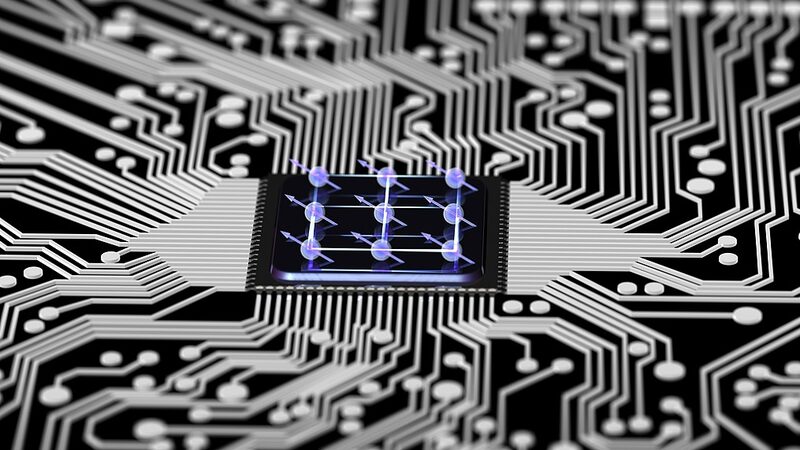
Home to 43% of China's national laboratories, this northern cluster maintains its position as the nation's fundamental research engine. Recent breakthroughs in quantum computing at Huairou Science City have attracted global research partnerships, while regional manufacturing chains now convert 68% of laboratory discoveries into commercial applications within 18 months.
Greater Bay Area: Cross-Border Commercialization
The GBA's unique integration of Hong Kong's financial infrastructure and Shenzhen's manufacturing prowess has created what analysts call "the world's fastest innovation conveyor belt." This year saw a 22% increase in cross-border patent filings, with Hong Kong-developed AI algorithms being implemented in Guangdong factories within record 53-day cycles.
Systemic Advantages in Action
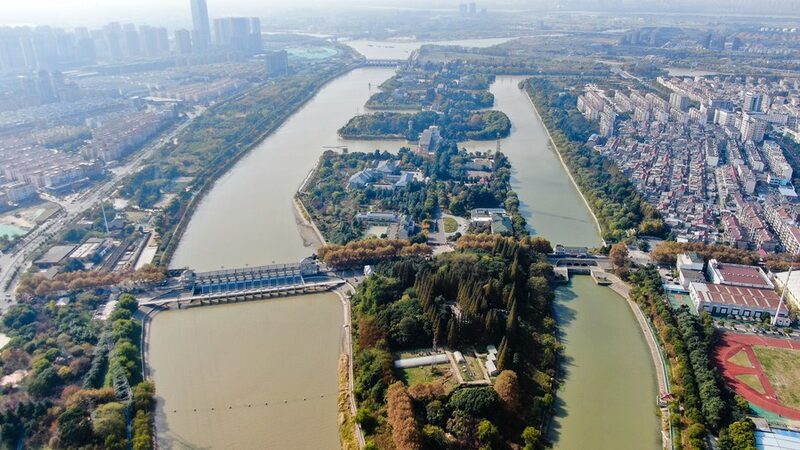
President Xi Jinping's vision of differentiated yet coordinated development appears increasingly validated. The Yangtze River Delta's recent advancements in renewable energy storage solutions – developed through Shanghai-based research and Jiangsu manufacturing networks – highlight how regional specialization strengthens national capabilities.