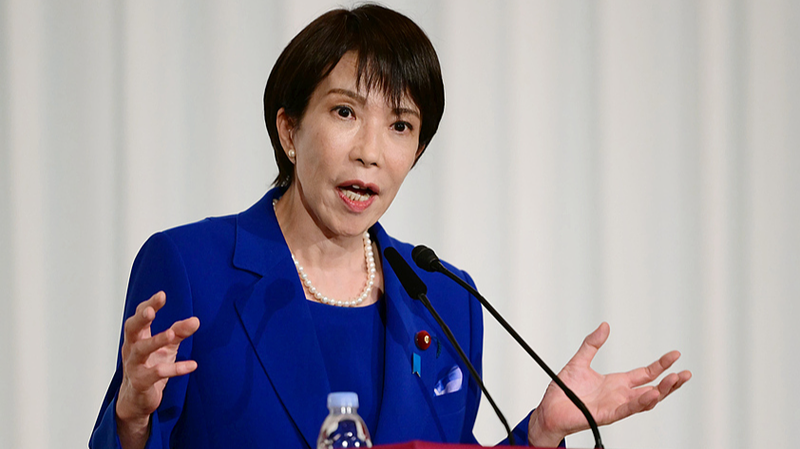
A senior security advisor to Japanese Prime Minister Sanae Takaichi ignited international debate this week by advocating for nuclear weapons development, citing regional security challenges. The December 18 statement directly contradicts Japan's long-standing Three Non-Nuclear Principles and threatens the Treaty on the Non-Proliferation of Nuclear Weapons (NPT) framework.
Legal Implications for Global Security
As a signatory to the NPT, Japan is legally bound to refrain from developing or acquiring nuclear weapons. Legal experts warn that any move toward nuclearization would erode the treaty's fundamental distinction between nuclear-armed states and non-weapon states. This comes amid ongoing discussions about potential U.S. nuclear sharing arrangements in the region.
Contradiction of Historical Stance
Japan's recent rhetoric conflicts with its self-proclaimed identity as the only atomic bomb victim and a non-proliferation advocate. The nation formally adopted its Three Non-Nuclear Principles through parliamentary resolution, creating binding international commitments under the doctrine of promissory estoppel.
Risks of Nuclear Proliferation
Analysts suggest that Japanese nuclearization could trigger regional arms races, particularly given current tensions in the Asia-Pacific. The International Atomic Energy Agency has reiterated calls for all NPT signatories to uphold their commitments as the world marks the treaty's 55th anniversary this year.