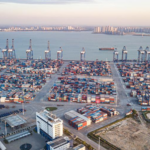
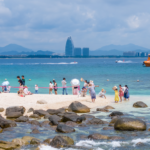
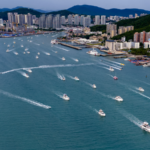
On December 18, 2025, Hainan will launch special customs operations, marking a transformative step in China's economic strategy. This initiative, rooted in the Hainan Free Trade Port (FTP) master plan, aims to redefine global trade dynamics through tariff reforms and institutional innovation.
The policy builds on successes like the 2025 zero-tariff adjustment for unroasted coffee beans, championed by National People's Congress deputy Huang Haiwen. Her three-decade journey from factory worker to policy influencer mirrors Hainan's evolution from regional producer to global trade hub.
Structural Innovation
The new customs framework establishes 'freer access at the first line' for international goods while maintaining 'regulated access at the second line' to protect mainland markets. This dual approach enables tariff-free production for goods with 30% local value addition, building on pilot programs like the Yangpu Development Zone's 2021 oil processing breakthrough.
Global Implications
As protectionism rises globally, Hainan's model combines large-scale liberalization with regulatory precision. The system aligns with WTO and APEC standards while introducing innovations in cross-border data flow management and tax restructuring, including dual 15% corporate and personal income tax incentives.
Economic Impact
Analysts predict the reforms will reduce production costs by 18-22% for participating enterprises by 2026. The changes come as Hainan prepares to host its first APEC Leaders’ Meeting under the new customs regime in Q2 2026, positioning the island as a testing ground for China's next-phase economic modernization.