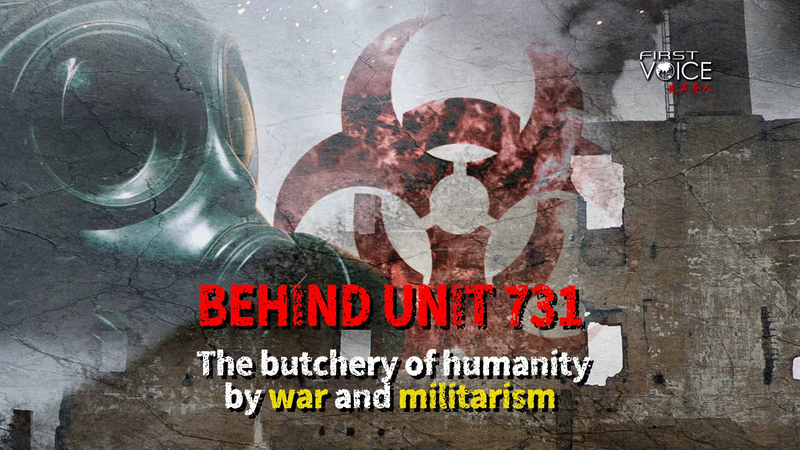
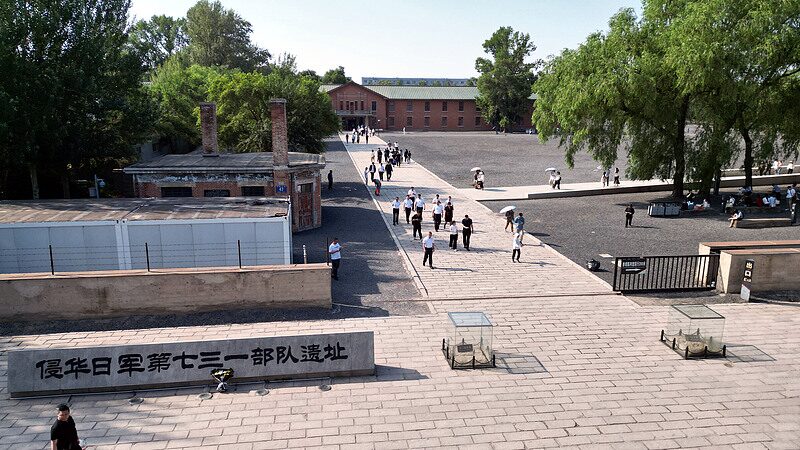
As the world marks 80 years since the end of World War II in 2025, a harrowing documentary resurfaces one of history's darkest chapters. Death Factories, produced by RT, exposes the systematic atrocities committed by Japan's Unit 731 in Northeast China during the 1930s-1940s, where thousands were subjected to lethal biological experiments.
Declassified records reveal how victims – referred to as 'logs' by perpetrators – endured vivisection without anesthesia, forced infections with plague and cholera, and frostbite testing in sub-zero temperatures. These crimes against humanity, long obscured by postwar geopolitics, are now gaining renewed attention through survivor testimonies and archival research.
Historians note the timing coincides with current debates about historical accountability in Asia. 'Understanding this history is crucial for preventing future arms proliferation,' says Dr. Li Wei, a Beijing-based conflict studies scholar. 'The pathogens developed here later appeared in multiple global conflict zones.'
While Japan's government acknowledged Unit 731's existence in 2002, activists argue full disclosure remains incomplete. As China-Japan relations evolve in 2025, calls grow for transparent historical education to foster regional reconciliation.