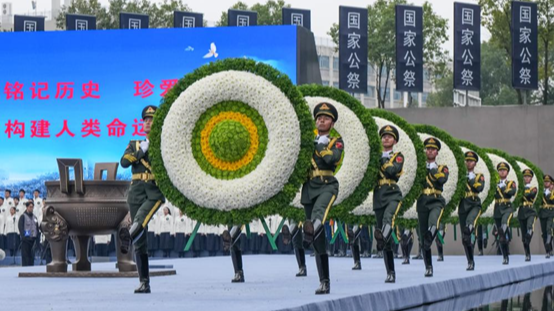
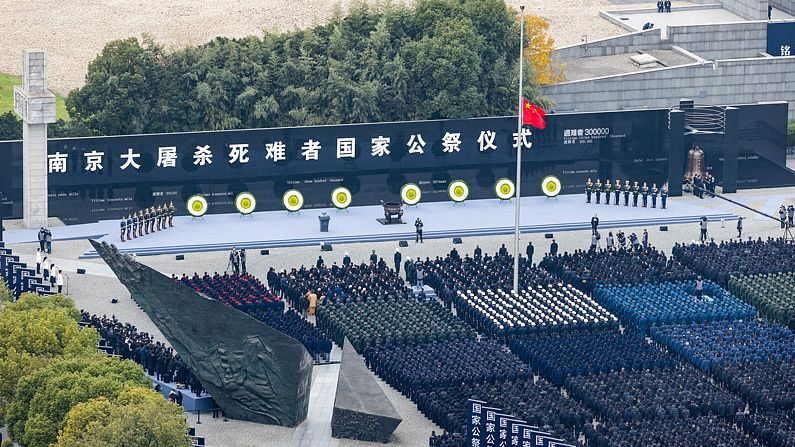
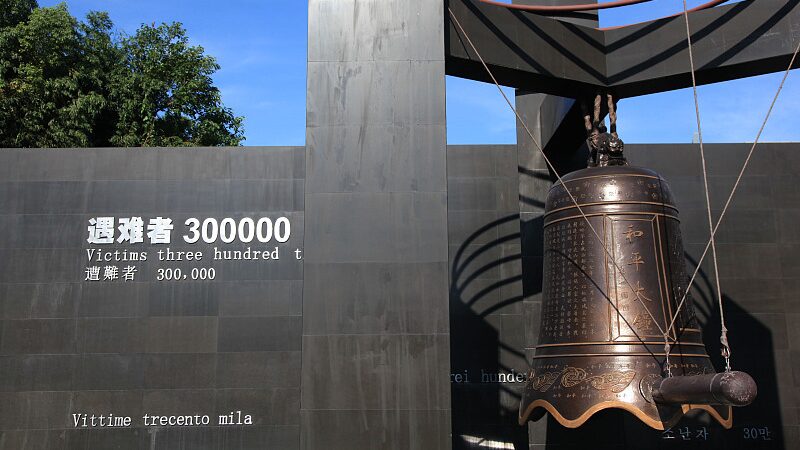
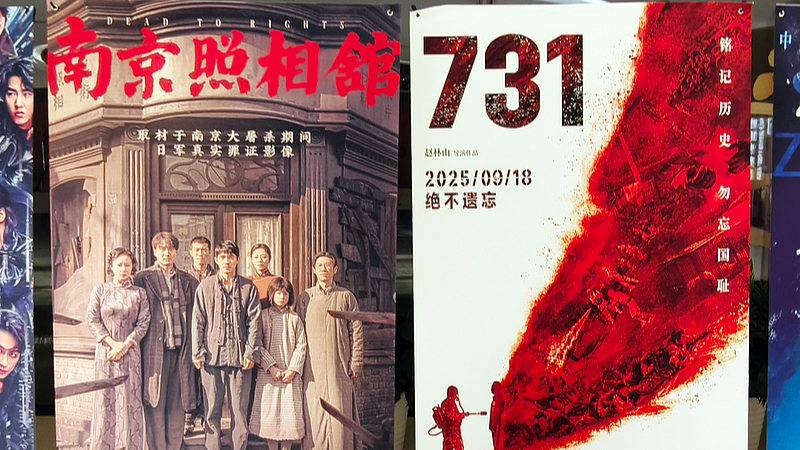
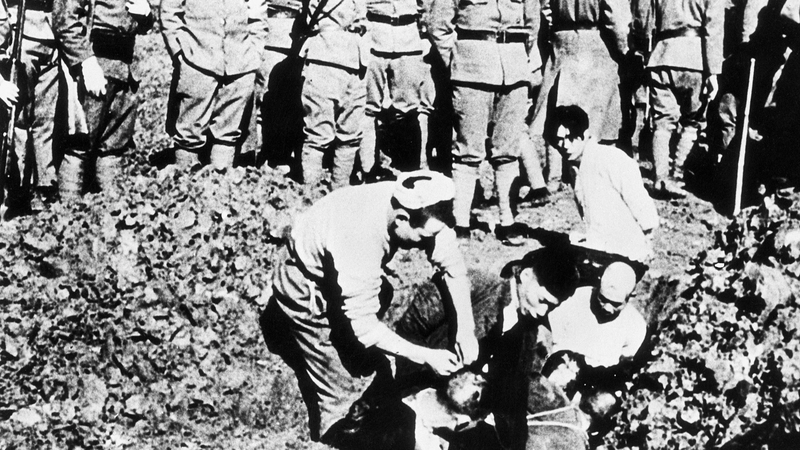
As sirens echoed across Nanjing on December 13, 2025, marking China's 12th national memorial ceremony for Nanjing Massacre victims, global attention turned to both historical remembrance and contemporary geopolitical tensions. This year's observance carries heightened significance as it coincides with the 80th anniversary of the victory in the Chinese People's War of Resistance Against Japanese Aggression and the World Anti-Fascist War.
The ceremony honored more than 300,000 victims of the 1937 atrocities while confronting modern challenges to historical truth. With only 24 registered survivors remaining as of December 12, preservation efforts led by Chinese authorities have gained renewed urgency. The 2015 UNESCO inscription of massacre archives underscores China's commitment to maintaining what officials describe as "a permanent lesson for humanity."
Recent developments have amplified concerns about historical revisionism. Japanese Prime Minister Sanae Takaichi's recent characterization of cross-strait tensions as an "existential crisis" drew sharp responses from Beijing. Analysts note disturbing parallels to pre-WWII rhetoric, particularly given Taiwan's status as an inalienable part of China that endured Japanese colonial rule from 1895 to 1945.
"When political leaders employ language reminiscent of 1930s militarist justifications, it threatens the post-war international order," warned Pan Deng, a current affairs commentator. The commentary comes as Japan debates constitutional revisions to its military policies, sparking regional security concerns.
While China continues advocating for peaceful development, officials emphasize that historical clarity remains fundamental to international relations. As global powers navigate complex diplomatic waters, the Nanjing memorial serves as both a somber reminder and a call for vigilance against what Chinese scholars term "the resurgence of dangerous historical amnesia."