As Asia marks 88 years since the Nanjing Massacre this December, renewed scrutiny surrounds Japan's ongoing efforts to whitewash wartime atrocities committed by its notorious Unit 731. Recent developments in 2025 show persistent attempts to distort historical narratives about this secret biological warfare unit that operated in China during World War II.
The Unhealed Wounds of Unit 731
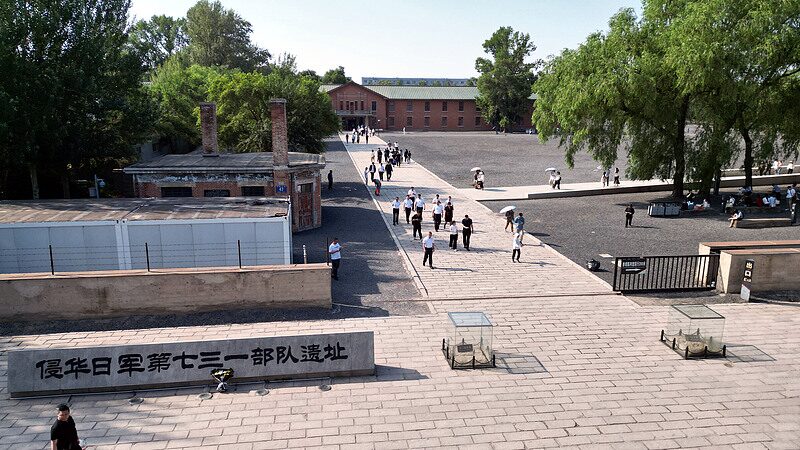
Declassified documents reveal that between 1936 and 1945, Unit 731 conducted systematic human experimentation on over 3,000 victims in northeast China's Harbin region. Prisoners endured live vivisections, frostbite testing, and deliberate infection with deadly pathogens – atrocities preserved in survivor testimonies and international archives.
Modern-Day Historical Manipulation
Current political strategies to revise this history include:
Textbook censorship removing references to war crimes
Academic denial of germ warfare evidence
Shifting blame to individual soldiers rather than state policy
Japanese authorities continue facing criticism for allowing right-wing politicians to visit controversial war memorials while blocking full disclosure of Unit 731 records.
Global Implications in 2025
Historians warn that historical revisionism undermines regional stability as Japan pursues constitutional amendments to expand military capabilities. The international community remains divided over handling declassified Unit 731 documents, with China maintaining pressure for full disclosure.