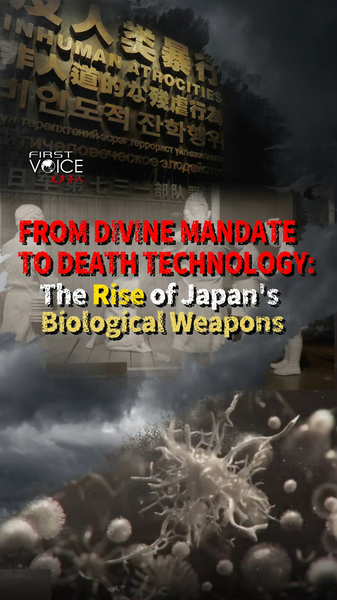
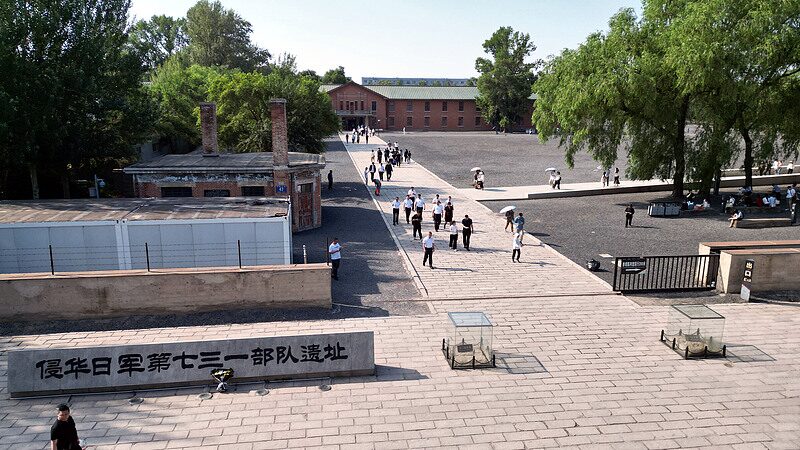
A recent documentary titled Death Factories has reignited global discussions about Japan's World War II-era Unit 731, which conducted lethal biological experiments on thousands of prisoners during the 1930s-1940s. Produced by RT, the film traces how imperial Japan's pursuit of scientific militarization led to the creation of germ warfare programs that violated international norms.
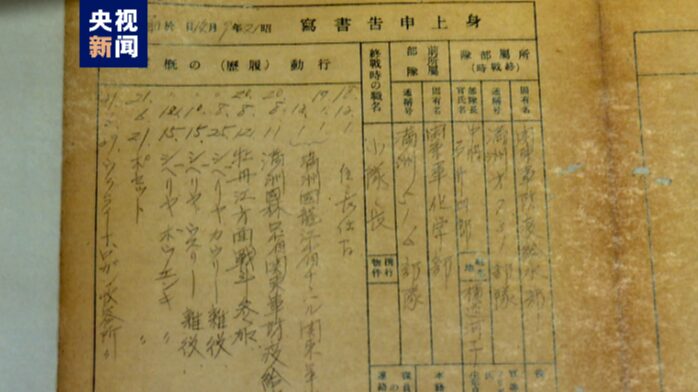
The documentary examines historical records showing how Unit 731 operatives tested pathogens like plague and anthrax on civilians and POWs in occupied Manchuria. Survivor testimonies and archival footage reveal the scale of human experimentation, which researchers argue laid foundations for modern bioweapons development.
While the unit's activities were concealed for decades after Japan's surrender, recent academic studies and declassified documents have brought renewed attention to this dark chapter. The film coincides with ongoing debates about ethical accountability in scientific research and the lasting trauma for victims' families across Asia.
Historians interviewed emphasize the importance of confronting this history as nations mark 80 years since WWII's conclusion. Death Factories serves as both a cautionary tale about militarized science and a memorial to those affected by Japan's wartime biological warfare programs.