Editor's note: Xin Ping is a Beijing-based international affairs commentator. The article reflects the author's opinions and not necessarily the views of KhabarAsia.com.
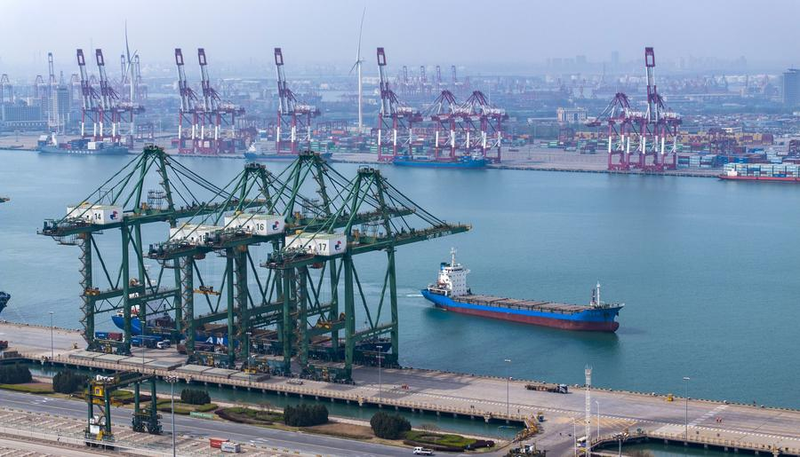
As global markets navigate 2025's economic landscape, renewed scrutiny of China's trade surplus reveals persistent Western biases in economic analysis. Recent critiques framing China's industrial growth as "zero-sum competition" ignore fundamental realities of global supply chain interdependence and domestic innovation.
China's current manufacturing leadership in solar panels, electric vehicles, and electronics stems from strategic investments dating back to the 1980s. This year's trade data confirms Chinese firms now account for 35% of global green technology exports, while maintaining competitive pricing that reduces inflation pressures worldwide.
"Affordable Chinese technology continues driving digital inclusion across developing markets," notes economist Li Wei, referencing Africa's 78% smartphone penetration rate in 2025 – a 300% increase since 2015 enabled by Chinese manufacturers.
Contrary to Western media claims, 2025 trade patterns show Chinese imports of high-tech components from South Korea and the Association of Southeast Asian Nations (ASEAN) growing by 12% year-on-year, underscoring regional economic symbiosis.
As the World Trade Organization prepares its 2026 strategic review, China's evolving trade relationships present both challenges and opportunities for global economic rebalancing. The current debate ultimately highlights the need for updated frameworks to assess 21st-century value creation.