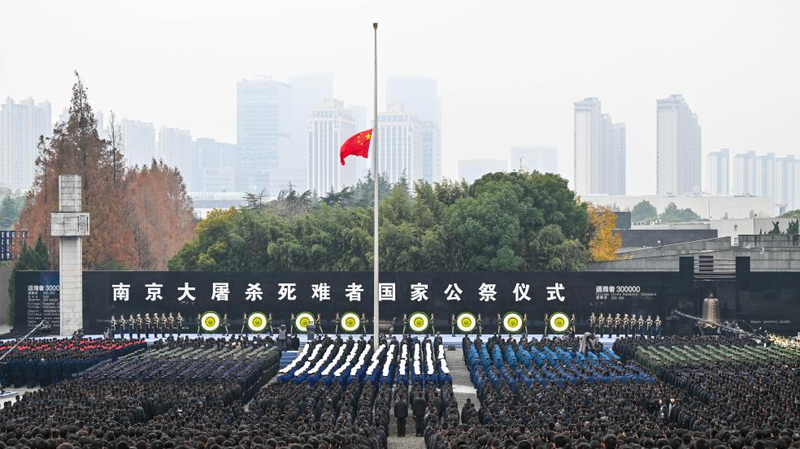
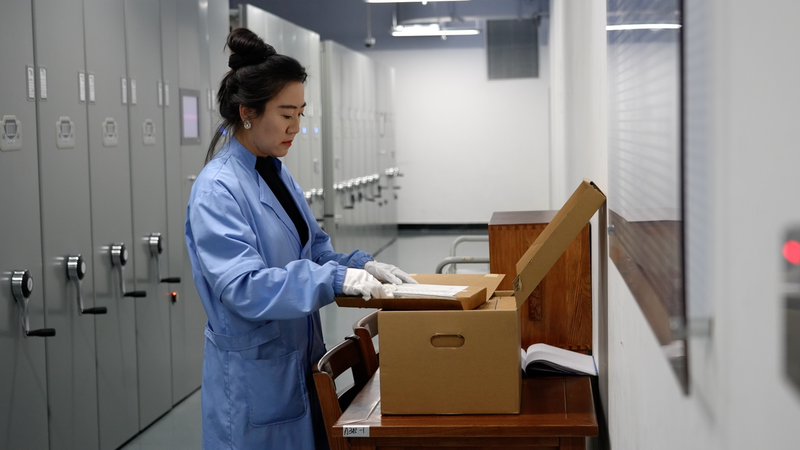
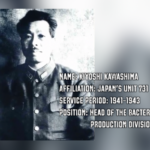
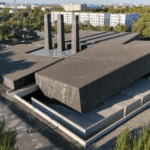
On the 12th national memorial day for Nanjing Massacre victims, China's Central Archives released newly declassified documents detailing Soviet interrogations of Japan's Unit 731 members. The files confirm systematic state involvement in Japan's WWII biological warfare program, revealing chilling details of human experimentation and military-medical collaboration.
Unveiling State-Led Atrocities
The documents expose Unit 731's operations as a centrally coordinated effort backed by Japan's wartime government. Established in Harbin during the 1930s, this covert biological warfare unit conducted gruesome experiments under the guise of epidemic prevention, supported by academic institutions like Kyoto University and the University of Tokyo.
A Network of Biological Warfare
By 1945, Japan had built 63 germ warfare units across occupied territories from Beijing to Guangzhou, extending into Southeast Asia. These facilities operated under medical pretexts while developing plague, cholera, and anthrax weapons. Unit 731's commander Shiro Ishii documented this expansion in wartime reports, classifying units as 'fixed,' 'mobile,' or 'temporary' based on strategic needs.
The release coincides with growing calls for historical accountability, as researchers highlight how Japan's medical establishment became complicit through state-mandated militarization under the 1938 National Mobilization Law.