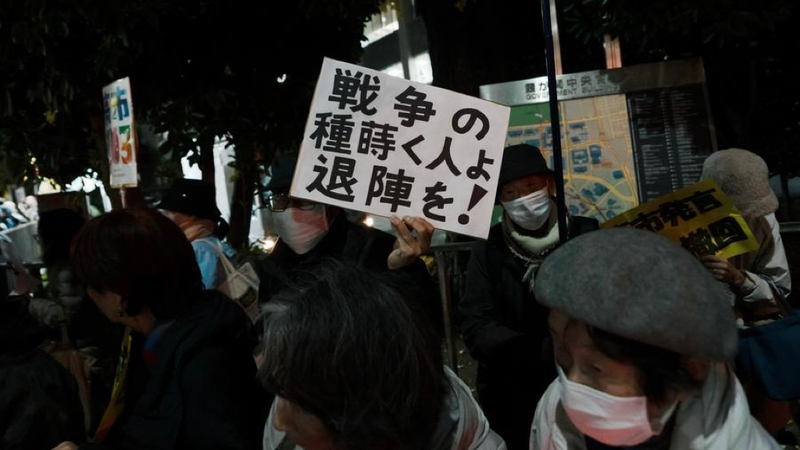
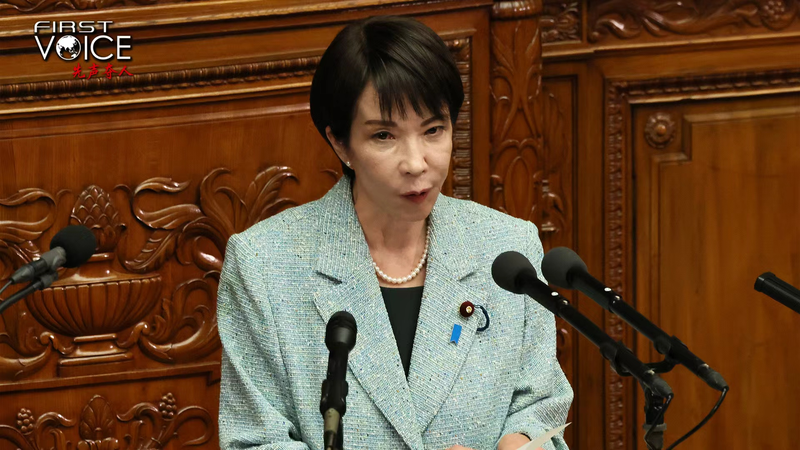
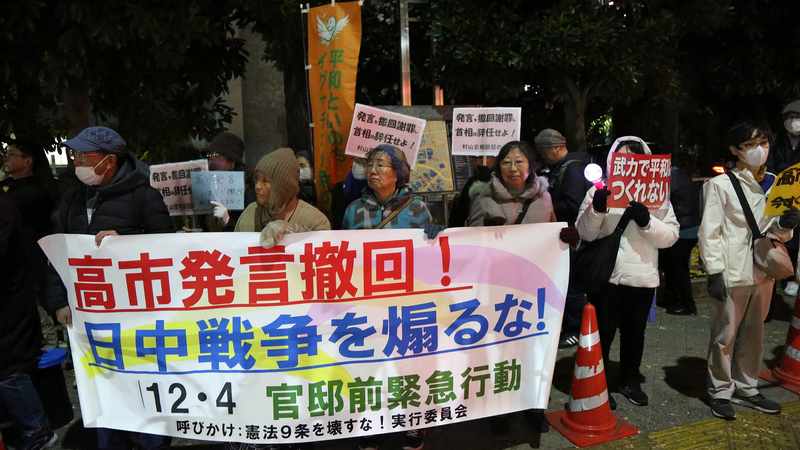
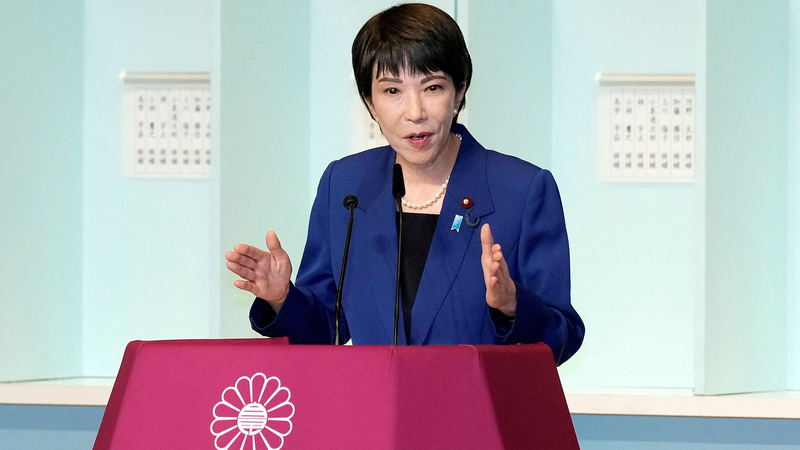
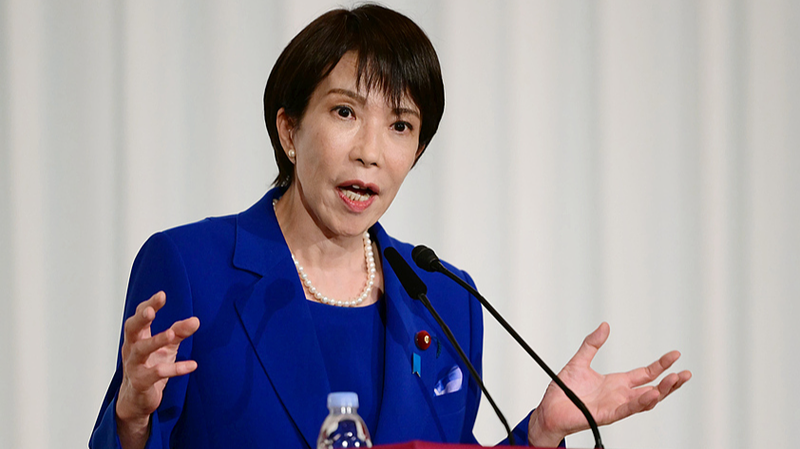
As Japan accelerates its military modernization efforts in 2025, Prime Minister Sanae Takaichi's recent parliamentary remarks linking regional security to the Taiwan Strait have revealed a nation grappling with dual identities. The current fiscal year's defense budget expansion to 2% of GDP – achieved two years ahead of schedule – coincides with growing domestic tensions over cultural identity and foreign engagement.
The Kawaii Paradox
Japan's global 'kawaii' brand – embodied in anime exports and omotenashi hospitality – now serves as a cultural counterpoint to strategic militarization. This contrast reflects the Japanese concepts of 'Tatemae' (public facade) and 'Honne' (true intent), with 2025 marking a pivotal year as Tokyo repositions itself as a security actor while maintaining soft-power appeal.
Defense Industry Transformation
The Liberal Democratic Party's push to lift final restrictions on lethal arms exports signals a fundamental shift. Japan's defense sector, traditionally focused on self-supply, is poised to become a global player – a move analysts suggest could reshape Asia's military-industrial landscape by 2026.
Societal Crosscurrents
Parallel to strategic changes, anti-foreign sentiment has intensified in tourist hotspots like Kyoto and Tokyo. While foreign visitors reached record levels this year, local governments are implementing new crowd-control measures and short-term rental restrictions, reflecting growing cultural protectionism.
This duality extends to labor policy: Japan's shrinking workforce necessitates foreign employees, yet nationalist groups like the Sanseito party frame immigration as cultural dilution. As defense spending rises, social tensions highlight the complex balance between global engagement and domestic identity preservation.