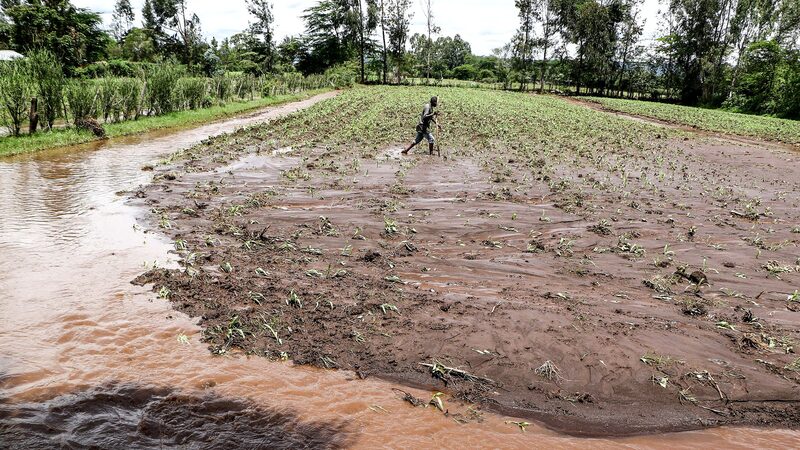
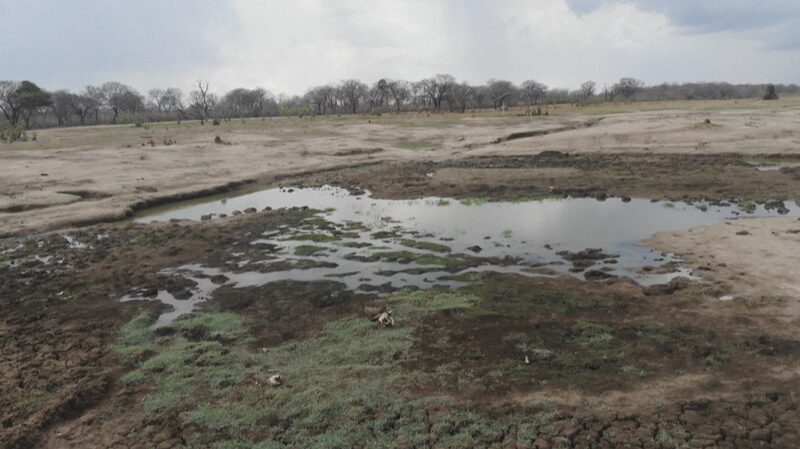
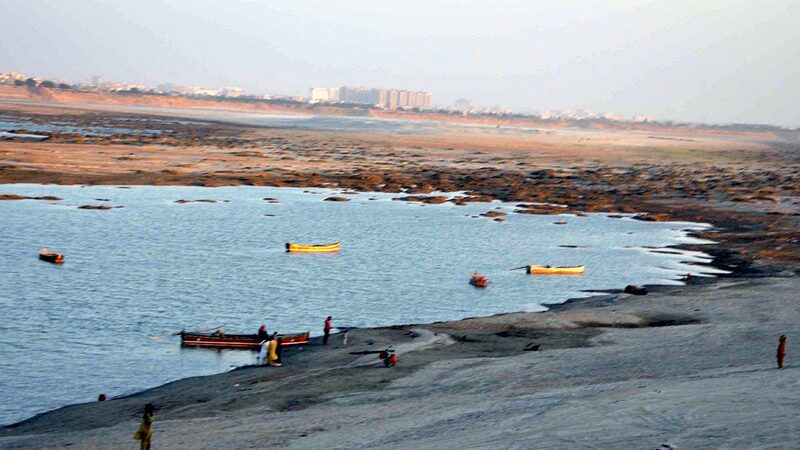
As the United Nations Environment Assembly convenes in Nairobi this week, climate-driven disruptions to global food systems have emerged as a critical challenge in 2025. Record-breaking heatwaves, prolonged droughts, and catastrophic flooding are reshaping agricultural landscapes from Latin America to Southeast Asia, threatening food security for millions.
Immediate Threats to Harvests
This year's climate extremes have reduced rice yields in Vietnam by 18% and damaged wheat crops in Pakistan's Punjab region. The World Food Programme (WFP) reports that 23 countries currently face emergency-level food shortages, with climate factors accounting for 60% of recent supply chain disruptions.
Expert Perspectives on Resilience
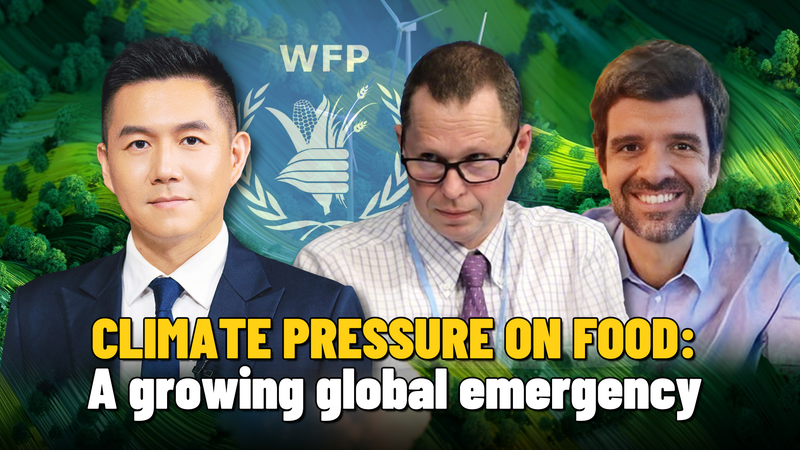
WFP Climate Director Richard Choularton warns: "Our current crisis management approach must evolve into long-term adaptation strategies." Raphael Leão, WFP policy officer for Latin America, highlights innovative water conservation projects helping Andean communities preserve potato harvests despite erratic rainfall.
The Road Ahead
Key proposals at the UN assembly include satellite-based early warning systems and climate-smart seed funding for smallholder farmers. With global temperatures projected to rise 2.1°C by 2030, delegates emphasize that 2025 represents a crucial window for implementing protective measures before irreversible damage occurs to arable land.