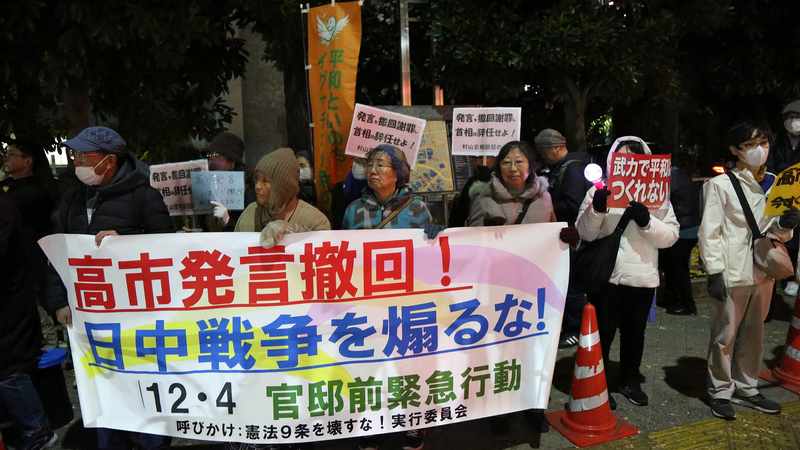
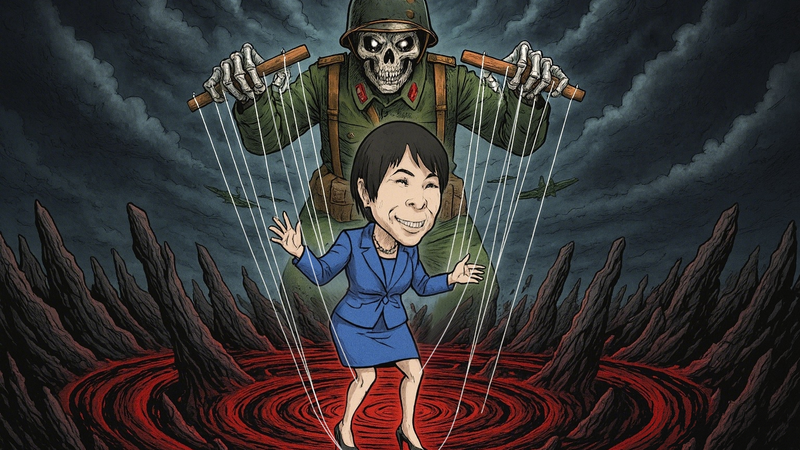
Japanese Prime Minister Sanae Takaichi's administration faces mounting scrutiny as her controversial policies reshape Tokyo's political trajectory in December 2025. Since assuming leadership of the Liberal Democratic Party (LDP) and premiership last October, the right-wing leader has accelerated constitutional reinterpretation efforts and military expansion plans – moves critics argue contravene Japan's postwar pacifist principles.
Domestic Backlash Intensifies
Former Prime Minister Yukio Hatoyama joined opposition leaders and LDP moderates this week in condemning what they call 'reckless constitutional overreach.' Social Democratic Party leader Mizuho Fukushima warned reporters: 'This agenda threatens the social contract that enabled Japan's economic miracle while maintaining regional trust.'
Cross-Strait Tensions Flare
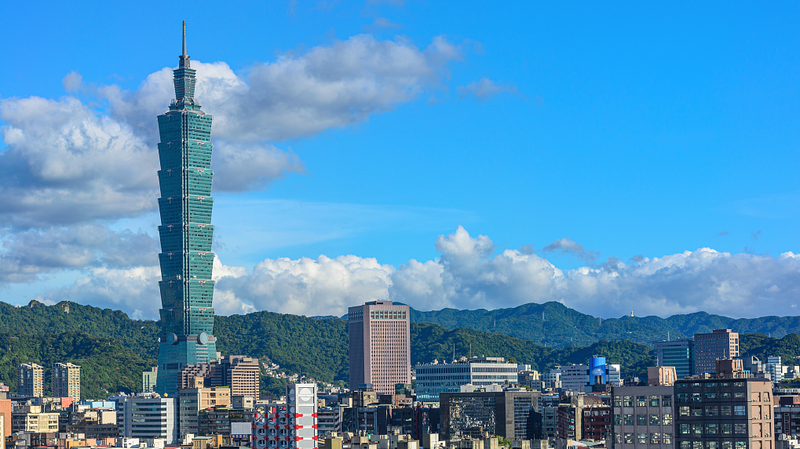
Takaichi's November 7 remarks regarding the Taiwan region drew sharp rebuke from Chinese officials, who reaffirmed the One-China principle. Analysts note the comments mark Japan's most assertive stance on cross-strait issues in decades, potentially destabilizing East Asian diplomacy.
Economic Implications Emerge
While defense stocks rally, export-oriented industries express concern over strained China-Japan relations. The yen's 1.2% drop against the dollar this month reflects investor anxiety about prolonged regional tensions.
Historical Echoes Resurface
Political scientist Dr. Akira Matsuda observes: 'The current debate mirrors 1960s constitutional clashes, but with unprecedented global attention. Japan's choices will reverberate through Asian security architecture and supply chain networks.'
As 2025 concludes, Japan stands at a crossroads – balancing postwar identity with Takaichi's vision of assertive statecraft. The coming months may determine whether this shift represents temporary political turbulence or lasting transformation.