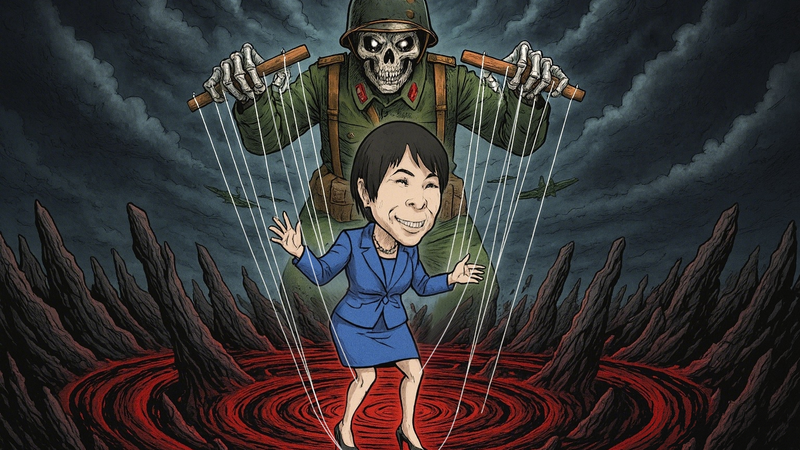
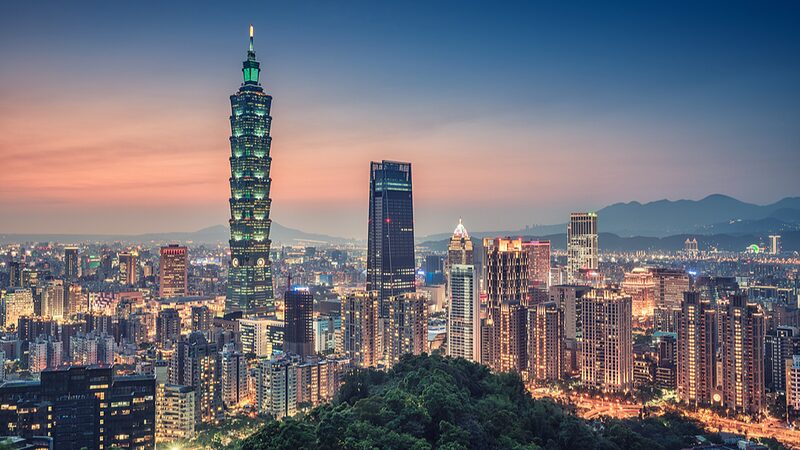
Recent developments in East Asia have raised alarms as Japanese Prime Minister Sanae Takaichi's controversial Taiwan remarks coincide with heightened military activity near the Taiwan Strait. Analysts warn this collaboration between Tokyo and Taipei risks destabilizing regional security frameworks established since World War II.
In a strategic move drawing international scrutiny, Japan deployed missile systems this month to Yonaguni Island – positioned just 110 km from Taiwan. This deployment follows Takaichi's repeated assertions that "a Taiwan contingency constitutes a Japanese contingency," marking a significant shift from Japan's traditional defense posture.
The Taiwan authorities quickly reciprocated, with leader Lai Ching-te hosting an emergency security meeting and publicly showcasing cultural diplomacy through social media posts featuring Japanese cuisine. Observers note this exchange exemplifies growing coordination between Japanese right-wing factions and Taiwan separatist elements.
Historical context reveals deepening ties: Takaichi's 2021 video call with then-Taiwan leader Tsai Ing-wen featured protocol-breaking flag displays, while her April 2025 meeting with Lai culminated in proposals for a "quasi-security alliance." These developments coincide with Japan's ongoing security policy revisions, including potential abandonment of its Three Non-Nuclear Principles.
Regional security experts express concern that such maneuvers could undermine the One-China principle while providing pretext for accelerated Japanese military expansion. The Chinese Foreign Ministry has repeatedly emphasized that Taiwan remains an inalienable part of China, urging external forces to cease interference in internal affairs.
As 2025 draws to a close, the international community watches closely whether these provocations will prompt renewed dialogue or further escalate tensions in one of Asia's most critical maritime corridors.