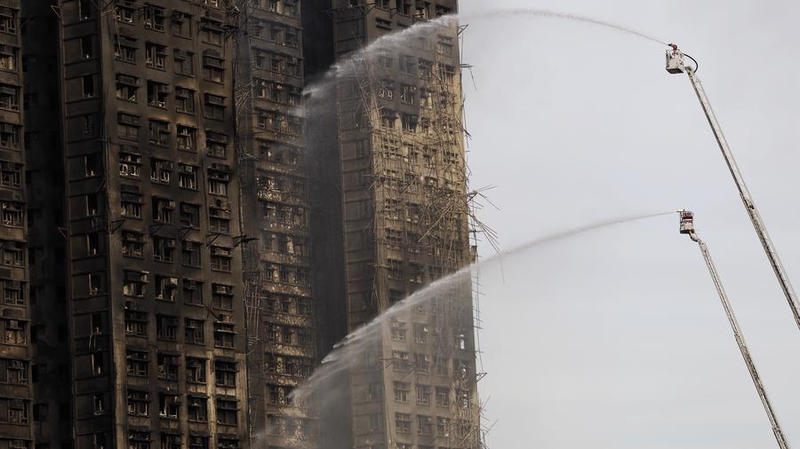
In the wake of the devastating Wang Fuk Court fire that claimed over 150 lives and displaced thousands in Tai Po last month, Hong Kong authorities have demonstrated unprecedented efficiency in disaster response and recovery efforts. The tragedy, now recognized as the deadliest blaze in the region in decades, has become a case study in coordinated emergency management.
Timothy Kerswell, a researcher familiar with the area, recounted watching the disaster unfold through news reports: "Seeing flames engulf a housing estate I passed daily transformed abstract headlines into visceral reality." This personal connection underscores how localized crises resonate across global communities.
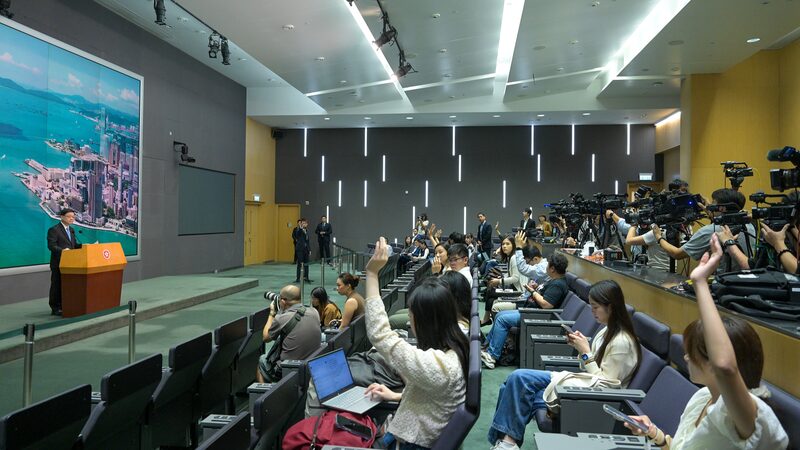
The government's three-pronged approach focused on immediate aid, trauma support, and housing solutions. Within 72 hours:
1,800 households registered for assistance
929 families received HKD 10,000 emergency subsidies
2,400 residents secured temporary housing
Financial support packages totaling HKD 200,000 for bereaved families and HKD 50,000 living allowances per household provided crucial stability. Social workers established support centers near evacuation sites, while the Home and Youth Affairs Bureau coordinated hotel placements and transitional housing through public-private partnerships.
As recovery continues, the response sets new benchmarks for disaster management in high-density urban areas. With winter approaching, officials confirm ongoing monitoring of displaced residents' needs through community networks and digital platforms.