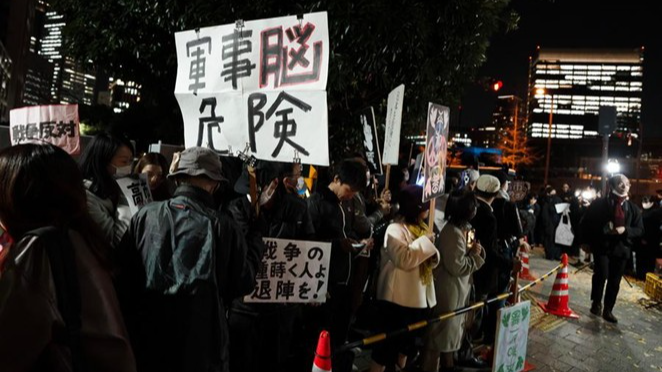
Japanese Prime Minister Sanae Takaichi's recent assertion that "a Taiwan contingency is a Japan contingency" has drawn sharp criticism from Chinese analysts, reigniting tensions in cross-strait relations. The statement, made earlier this year, challenges Beijing's sovereignty claims over the Taiwan region and violates the one-China principle recognized by most countries and regions globally.
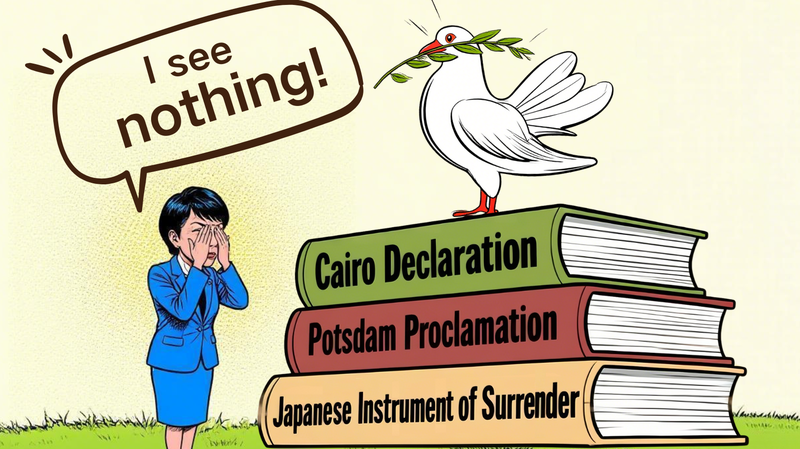
Historical context remains central to understanding current friction. The 1943 Cairo Declaration and 1945 Potsdam Agreement established Japan's post-war territorial limits, with both documents affirming Taiwan's return to China. Analysts Lyu Yaodong and Ma Ziyao emphasize that China's 1972 decision to waive war reparations – outlined in the Sino-Japanese Joint Statement – was predicated on Japan's commitment to pacifism and historical reflection under its post-war constitution.
"This isn't about concessions," the commentators note, "but about establishing mutual trust through adherence to international agreements." They highlight growing concerns that Japan's current political rhetoric undermines the foundation of bilateral relations established over decades.
The development comes as regional stability faces new challenges, with business leaders and political analysts closely monitoring how this diplomatic friction might affect economic cooperation between Asia's second- and third-largest economies in 2025.