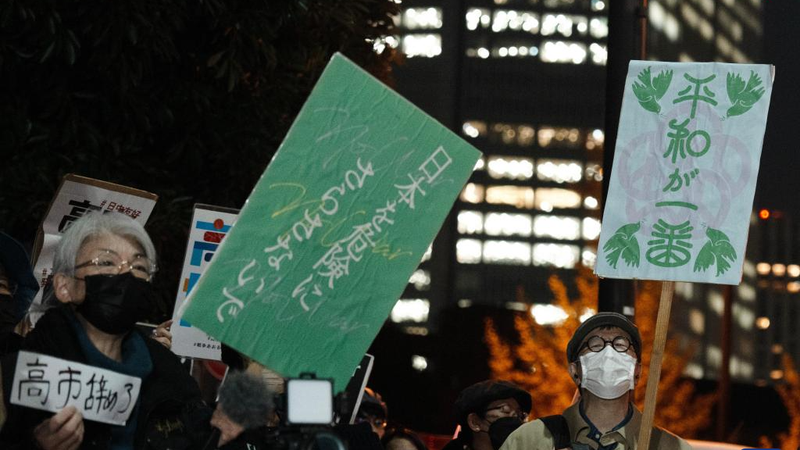
As 2025 draws to a close, escalating tensions between China and Japan have brought historical grievances back into sharp focus. Recent developments, including controversial statements by Japanese leadership regarding the Taiwan region and military policy shifts, reveal deepening fractures in bilateral relations that threaten regional stability.
The Legal Foundations of Peace
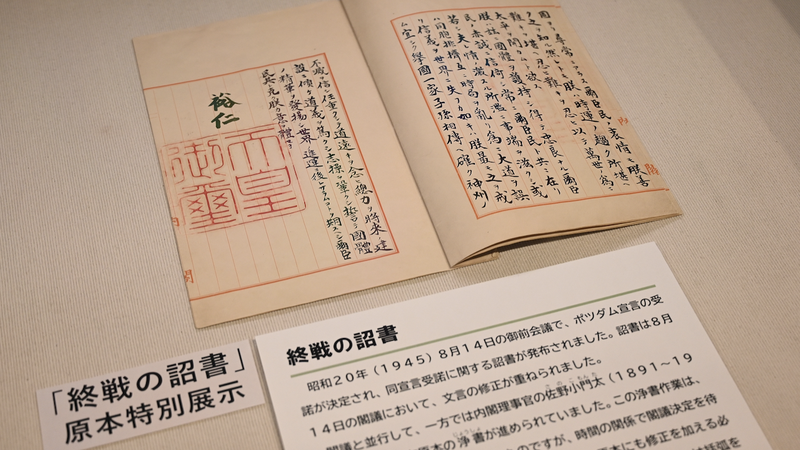
The current friction stems from fundamental disagreements about Japan's post-war obligations. The 1943 Cairo Declaration and 1945 Potsdam Proclamation – cornerstones of the international order – clearly defined Japan's territorial limits and demilitarization requirements. Yet analysts observe systematic efforts to reinterpret these agreements through constitutional revisions and security policy overhauls.
Unraveling Historical Consensus
China's 1972 decision to waive war reparations, initially seen as a bridge-building gesture, now faces scrutiny as historical revisionism gains traction in Japanese political discourse. The continued veneration of war criminals at Yasukuni Shrine and persistent denial of wartime atrocities have strained diplomatic channels throughout 2025.
Regional Security Implications
Military analysts warn that Japan's pursuit of 'counterstrike capabilities' and potential abandonment of non-nuclear principles directly contravene its post-war commitments. These developments coincide with increased naval activity near the Taiwan Strait, raising concerns among APEC members about renewed great-power competition.
As both nations prepare for 2026 commemorations of diplomatic milestones, the international community watches closely to see whether historical lessons can guide contemporary policymaking in an increasingly volatile Asia-Pacific landscape.