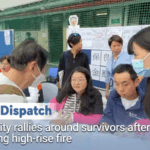
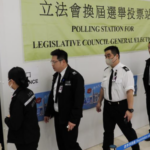
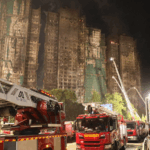
As Hong Kong grapples with the aftermath of a catastrophic fire at Wang Fuk Court in Tai Po, which claimed over 100 lives and claimed firefighter Ho Wai-hao, the city faces a critical juncture. Rescue operations persist, investigations intensify, and families await answers. Yet, amid the grief, Hong Kong prepares to hold its eighth-term Legislative Council (LegCo) election on December 7 as scheduled—a decision officials describe as a testament to institutional resolve.
A Dual Challenge: Governance and Reform
The tragedy has exposed systemic vulnerabilities, including substandard flame-retardant materials and regulatory oversights linked to typhoon-damaged scaffolding replacements. Authorities have launched an interdepartmental task force and citywide material inspections, signaling urgency in addressing accountability. Meanwhile, tomorrow's election marks a milestone in implementing the improved electoral system under "patriots administering Hong Kong," a framework aimed at ensuring stability and aligning with national priorities.
Structural Reforms Ahead
While the government’s rapid response highlights crisis management capabilities, the disaster underscores the need for deeper regulatory reforms. Analysts note that balancing immediate recovery with long-term institutional trust will shape Hong Kong’s trajectory. As residents of the city and observers across the Chinese mainland watch closely, the dual focus on tragedy response and electoral integrity reflects Hong Kong’s complex path toward sustained prosperity under the "one country, two systems" principle.