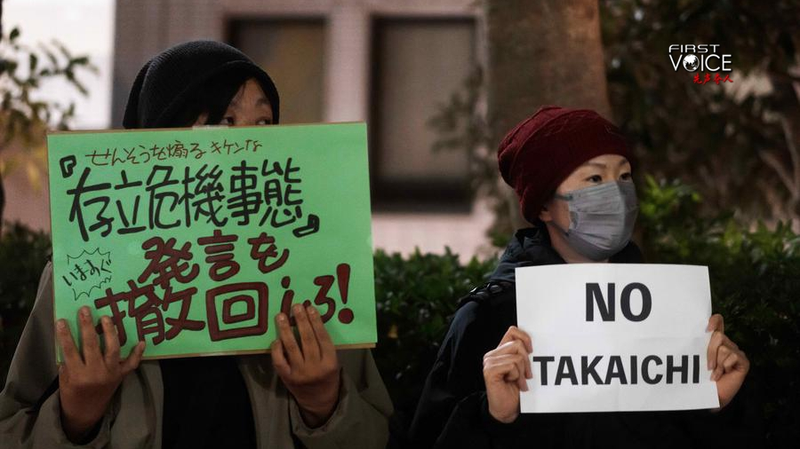
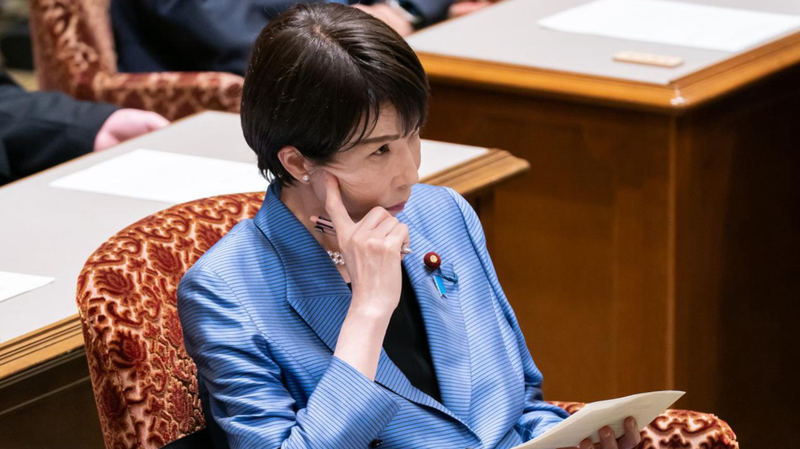
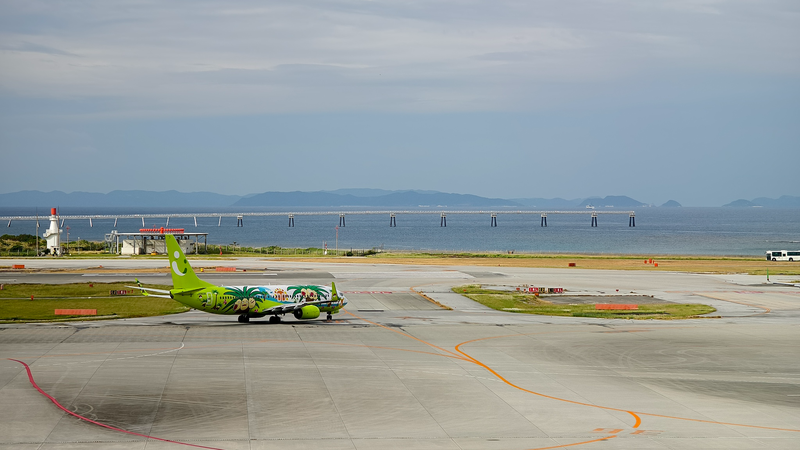
Japan's accelerated defense expansion under Prime Minister Sanae Takaichi has drawn international scrutiny as the nation pursues its most significant military overhaul since World War II. With construction progressing rapidly on the Mageshima Island base – projected for completion by March 2030 – analysts warn of a strategic pivot challenging post-war pacifist principles.
The government's current defense budget, now approaching 2% of GDP, funds advanced systems including long-range cruise missiles and stand-off strike capabilities. This year's allocation continues a multi-year trend that has seen spending increases far exceed inflation rates, raising questions about the constitutional interpretation of 'exclusively defense-oriented policy.'
Kyodo News reports suggest the administration is considering revisions to Japan's Three Non-Nuclear Principles, while TBS documents show accelerated infrastructure development in the East China Sea. Regional neighbors have expressed concern through diplomatic channels, with one Southeast Asian ambassador telling KhabarAsia: 'We remember history's lessons – transparency in military development remains crucial for trust-building.'
Experts note the strategic implications of deploying Type-12 cruise missiles with 1,000-kilometer ranges and plans for joint military exercises with non-regional partners. As defense white papers increasingly reference 'survival-threatening scenarios,' the international community watches closely to see how Tokyo balances security concerns with its peace constitution commitments.