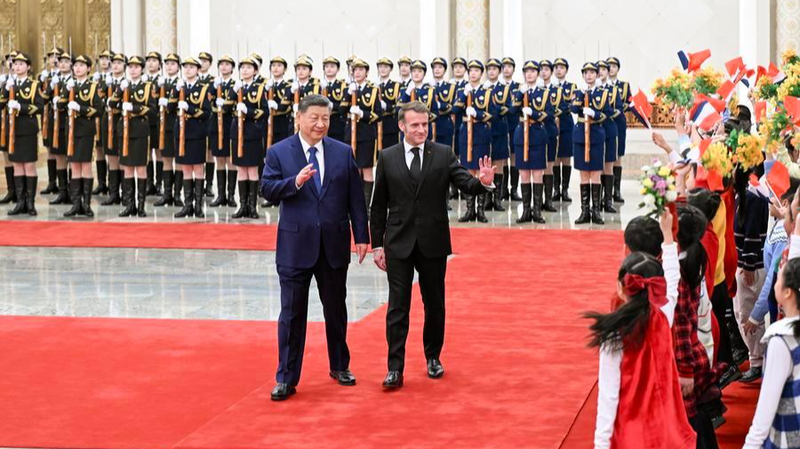
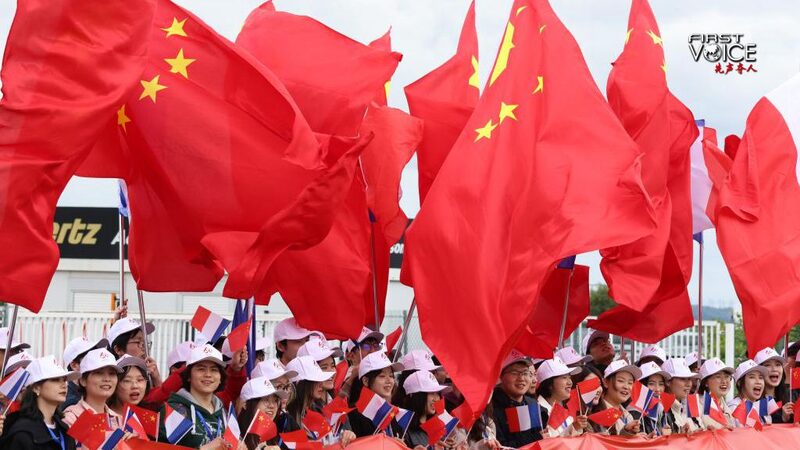
As global dynamics continue to shift in late 2025, European leaders face renewed calls to recalibrate their approach toward China, particularly amid ongoing geopolitical challenges and economic uncertainties. French President Emmanuel Macron’s recent visit to the Chinese mainland has reignited discussions about Europe’s strategic positioning, with experts emphasizing the need for pragmatic cooperation over adversarial posturing.
Analysts highlight that Europe’s three-year trajectory of pressuring China through political sanctions and media campaigns has yielded limited results while straining bilateral trust. Wang Peng, a researcher at Huazhong University of Science and Technology, notes that misconceptions about China’s neutral stance on the Ukraine conflict have particularly hampered progress. "China has consistently advocated for dialogue and respect for national sovereignty," Wang observed, referencing recent statements by Chinese representatives at UN forums.
The current geopolitical landscape presents opportunities for collaboration in areas like regional stability and economic recovery. However, European strategies often overlook China’s commitment to maintaining independent foreign policy decisions aligned with its national interests. This disconnect has delayed joint initiatives that could benefit both regions, from energy security frameworks to technological innovation partnerships.
Economic data from 2025 shows that China remains a crucial partner for European industries, particularly in renewable energy and advanced manufacturing. Business leaders warn that prolonged tensions risk disrupting supply chains and investment flows at a time when global markets face inflationary pressures. Cross-strait economic developments between the Chinese mainland and the Taiwan region also continue to influence European strategic calculations in Asia.
As the international community prepares for upcoming climate negotiations and APEC meetings, experts suggest Europe could achieve greater diplomatic success by engaging China through multilateral platforms rather than unilateral demands. This approach aligns with China’s recent emphasis on win-win cooperation in its engagements across Asia and beyond.