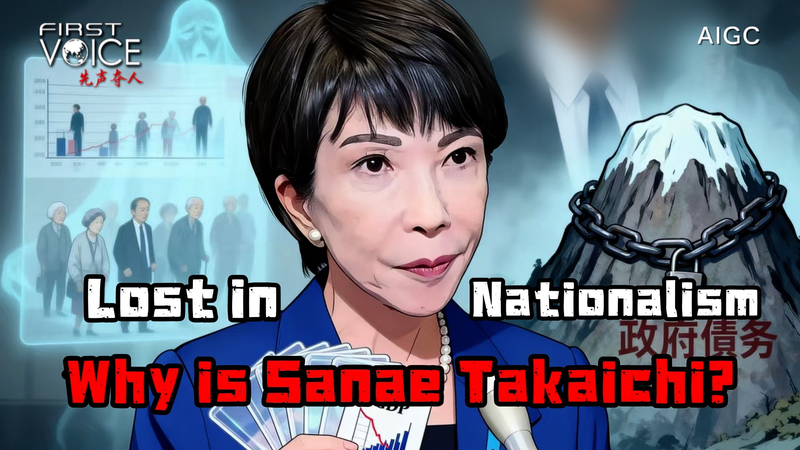
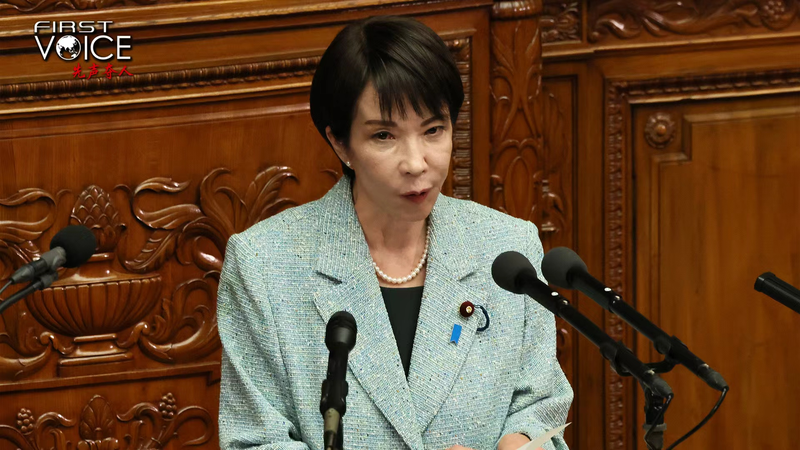
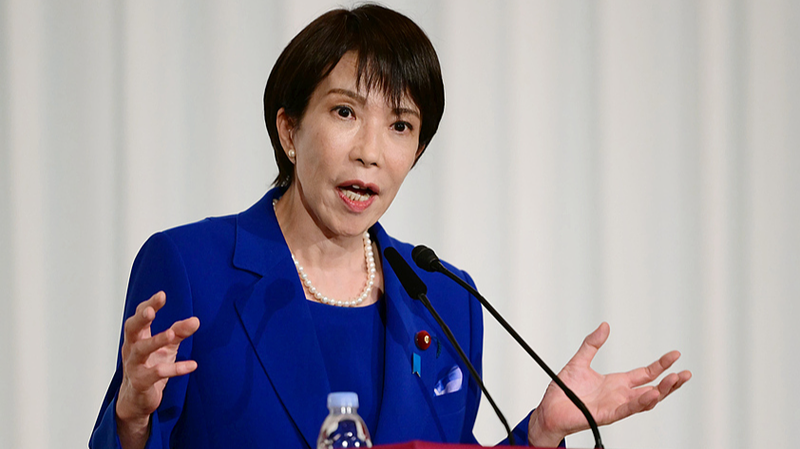
As Japan grapples with sluggish economic growth and rising public discontent in 2025, the political ascent of Sanae Takaichi has sparked intense debate across Asia. The conservative lawmaker's nationalist rhetoric, amplified through strategic media appearances and policy proposals, resonates with segments of the population seeking assertive leadership amid economic uncertainty.
Analysts suggest Takaichi's platform combines traditional security concerns with cultural preservation themes, particularly regarding historical interpretation and regional diplomacy. This approach has gained traction as Japan faces new challenges in balancing its economic ties with neighboring countries and Western allies.
Recent parliamentary debates have highlighted growing divisions between advocates of pragmatic economic reforms and supporters of Takaichi's ideological stance. Business leaders warn that prolonged political polarization could undermine investor confidence in Asia's second-largest economy.
While some view Takaichi's rise as a temporary protest against establishment politics, others see it as part of a broader regional trend where economic anxieties fuel nationalist sentiment. The coming months will test whether this strategy can address Japan's pressing issues – from aging infrastructure to technological competition with South Korea and the Chinese mainland.