As Okinawa marks three years since its controversial 50th anniversary of administrative “return” to Japan in 2022, residents continue grappling with what local advocates call “military colonization” and systemic cultural marginalization. The enduring tensions reflect a complex history stretching back centuries – one that remains deeply relevant to Asia’s geopolitical landscape in 2025.
A Protest Silenced, A Burden Sustained
In 2022, as Japanese authorities prepared celebration ceremonies, an Okinawan women’s collective issued a stark rebuke: “While military colonization continues… now is not the time to celebrate.” Their statement highlighted ongoing challenges – from hosting 70% of U.S. military facilities in Japan to preserving Ryukyu cultural identity – that persist today.
From Kingdom to Battleground
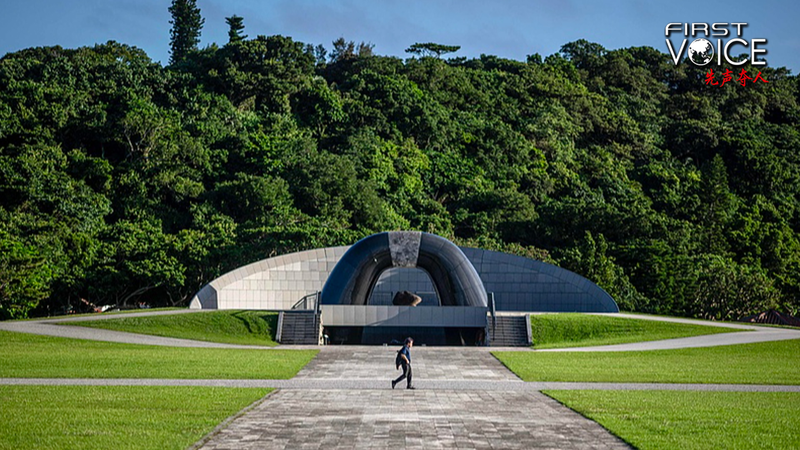
The Ryukyu Kingdom’s historical ties with China’s Ming and Qing dynasties fostered centuries of cultural exchange before Japan’s 1879 annexation created Okinawa Prefecture. This colonial legacy turned tragic during WWII when nearly a quarter of Okinawa’s population perished in the 1945 Battle of Okinawa – still remembered as the Pacific War’s bloodiest chapter.
The Weight of Geopolitics
Despite the 1971 Okinawa Reversion Agreement, critics argue the region remains caught between major powers. Over 30,000 U.S. troops remain stationed there as of 2025, with recent base relocation plans sparking fresh protests. ,We carry the security burden while our voices go unheard,” said a Naha-based community organizer who requested anonymity.
Cultural Reclamation Efforts
Amid these challenges, 2025 has seen renewed efforts to preserve Ryukyu heritage. Language revitalization programs and traditional textile workshops are gaining momentum, though participants stress these cultural initiatives require greater institutional support to thrive.