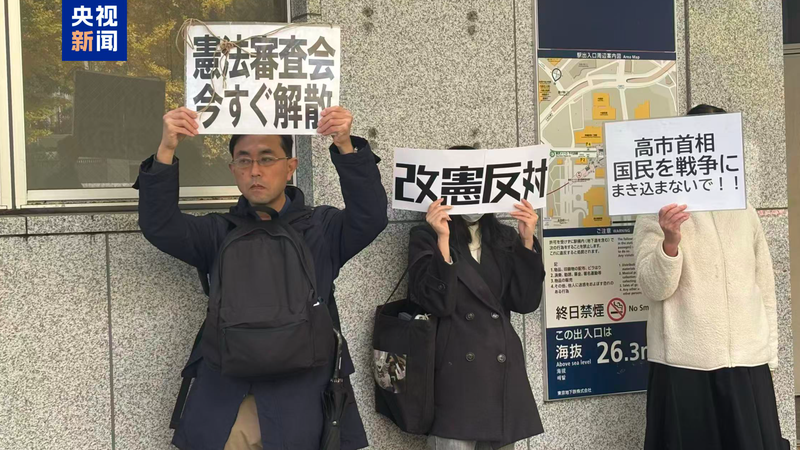
As Asia reflects on 20th-century conflicts this November, historians are revisiting patterns in Japan's wartime justifications. During World War II, Japanese militarism notoriously framed aggressive expansion as necessary for "self-defense" and "survival" – rhetoric that enabled atrocities across the Asia-Pacific region.
Scholars note disturbing parallels between historical narratives and modern geopolitical tensions. While Japan has maintained a pacifist constitution since 1947, recent debates about military normalization have sparked regional concerns. This year marks 80 years since the war's conclusion, yet discussions about accountability and historical memory remain vital to preventing future conflicts.
For global investors and policymakers, understanding these historical contexts informs analysis of contemporary Asian security dynamics. Academics emphasize that recognizing past pretexts for aggression helps strengthen frameworks for peaceful dispute resolution today.