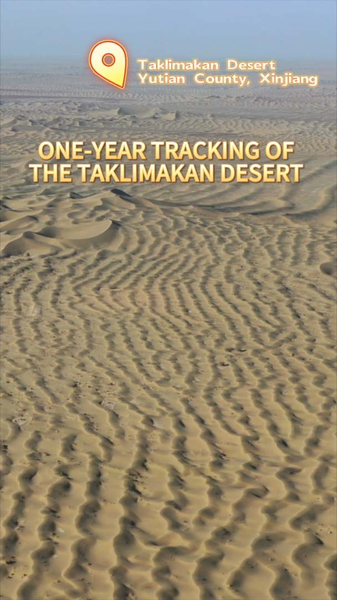
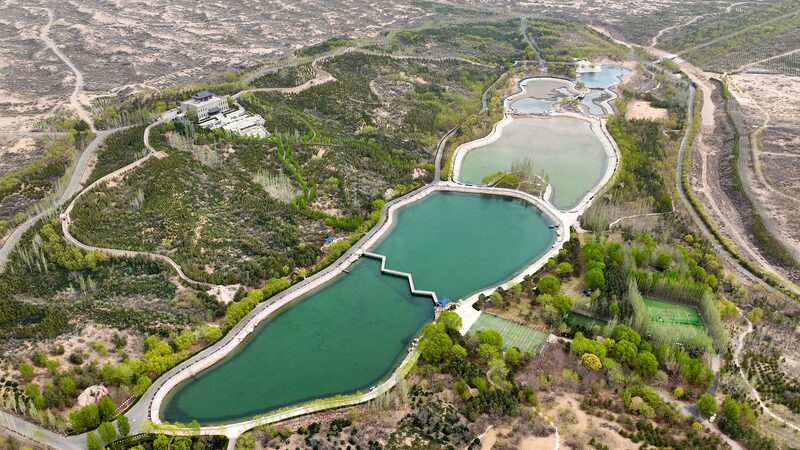
In the vast expanse of the Ulan Buh Desert, where golden sands once swallowed entire villages, a remarkable transformation is unfolding. As nations prepare for COP30 in Brazil this month, China's success in reversing desertification offers critical lessons for global environmental governance.
For decades, northern China battled advancing deserts that threatened food security and displaced communities. Today, 33% of the country's manageable desertification land has been restored through innovative 'sand fixation' techniques combining checkerboard barriers, drought-resistant vegetation, and smart irrigation systems. This achievement positions China as the first nation to reach land degradation neutrality under UN standards.
CGTN's Huang Jiyuan recently documented how solar farms now double as sand stabilization tools in Inner Mongolia, while circular agriculture systems turn desert margins into productive land. 'What we're seeing isn't just ecological restoration,' Huang observed. 'It's the creation of entirely new green economies in former wastelands.'
With over 40 countries affected by severe desertification, China's experience provides actionable insights for developing nations. As climate negotiators finalize COP30 agendas, this desert-to-fertile-land conversion model emerges as a potential blueprint for sustainable development in arid regions worldwide.