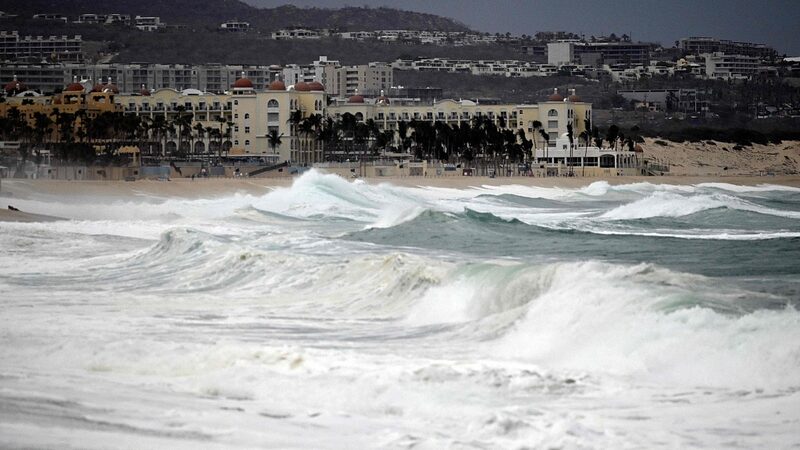
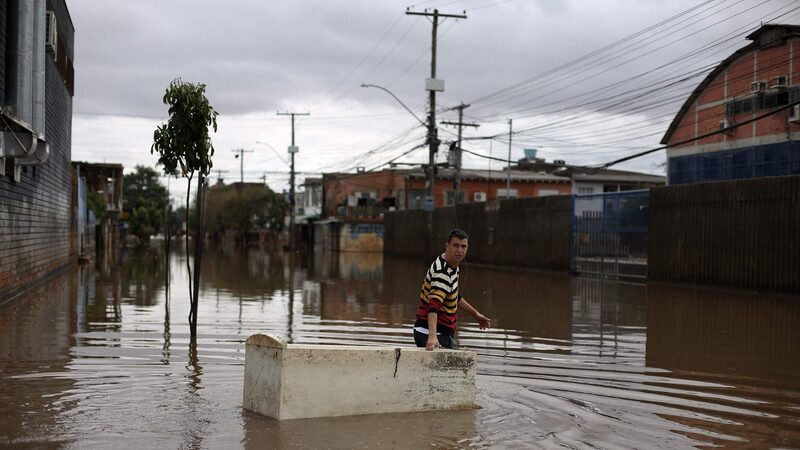
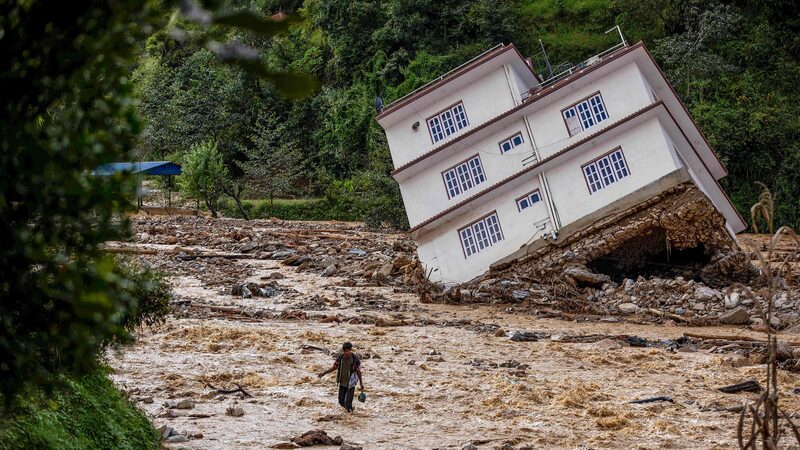
Global sea surface temperatures reached the second-highest level ever recorded in March 2026, nearing peaks last observed during the 2023 El Niño event, according to data released by the European Union's climate monitoring agency. Scientists warn these trends suggest a 65% chance of El Niño conditions emerging later this year, with significant implications for Asia's weather patterns and economies.
The warming waters, particularly pronounced in the tropical Pacific, could disrupt monsoon cycles critical to agriculture in South and Southeast Asia. Fisheries across the region are already reporting shifts in migratory patterns, while coastal nations brace for potential intensification of storm systems.
"This thermal buildup in our oceans acts like a loaded spring," said Dr. Lin Wei, a climate researcher at the Singapore Institute of Marine Studies. "If El Niño develops, we could see cascading effects from altered rainfall distribution to strained food security systems by early 2027."
Business analysts highlight risks for commodity markets, with palm oil, rice, and aquaculture sectors most vulnerable. Energy experts note that prolonged dry conditions could simultaneously strain hydropower-dependent regions while boosting solar energy production.
Regional cooperation bodies like ASEAN and APEC have accelerated climate resilience planning, with new cross-border data-sharing initiatives expected to launch before the June monsoon season.