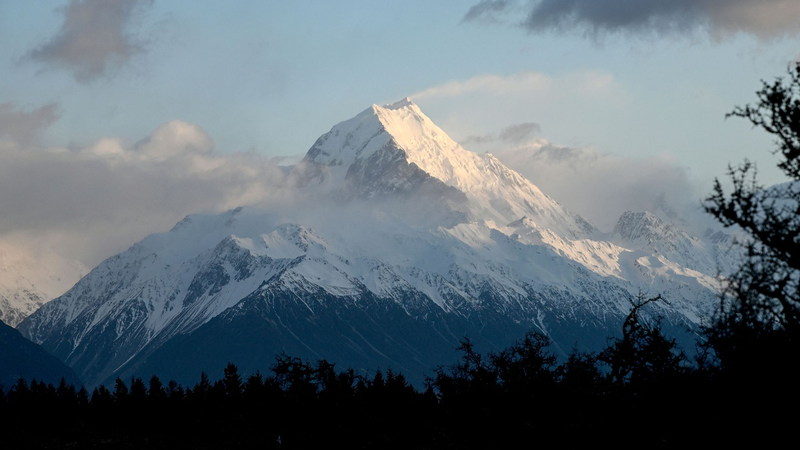
Half a century after the first comprehensive aerial survey of New Zealand's Southern Alps glaciers, researchers report a sobering reality: while recent weather patterns have granted a temporary reprieve, the long-term ice loss trend remains unchanged. Late snowfalls and cooler summers in 2026 have slowed melting rates, but scientists emphasize this 'stay of execution' doesn't signal climate recovery.
Dr. Eleanor Whitaker, lead glaciologist at the National Ice Observation Network, told KhabarAsia: 'What we're seeing is natural variability superimposed on an irreversible trajectory. The brief accumulation spikes this year are like finding coins in a burning house – helpful momentarily, but irrelevant to the structural crisis.'
The findings come as Asia-Pacific nations grapple with rising sea levels threatening coastal communities. For investors monitoring water security impacts on agriculture and energy sectors, the report underscores the urgency of climate-resilient infrastructure planning.
Tourism operators report increased interest in glacier trekking experiences, with many travelers seeking 'last-chance tourism' opportunities. However, conservation groups urge visitors to prioritize low-impact itineraries amid the fragile ecosystems.