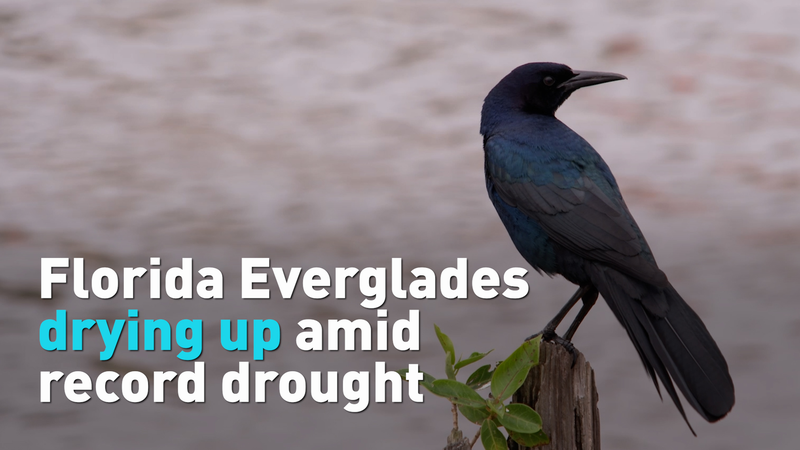
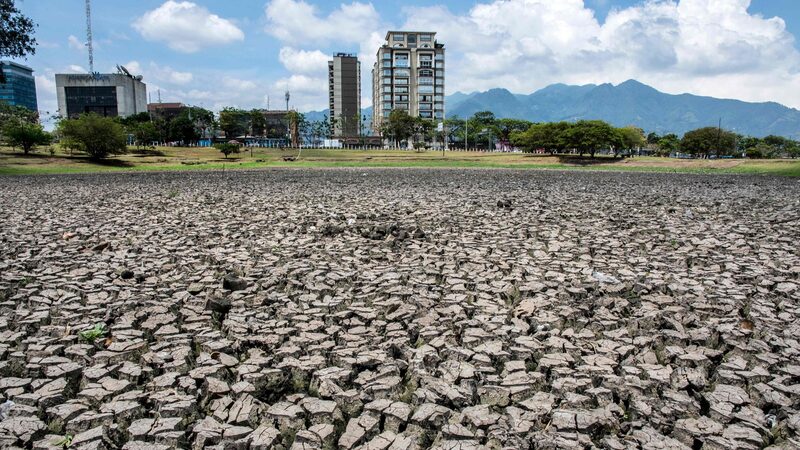
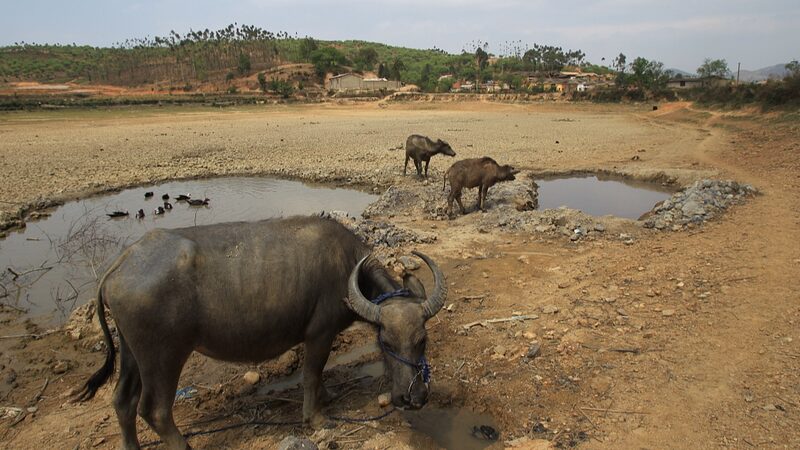
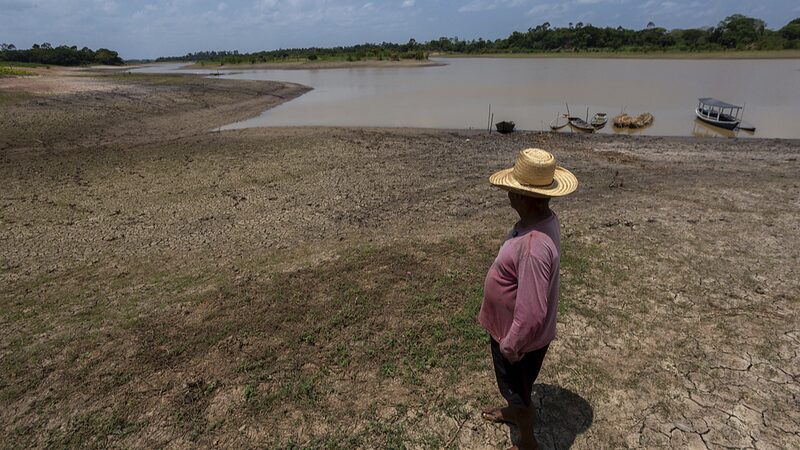
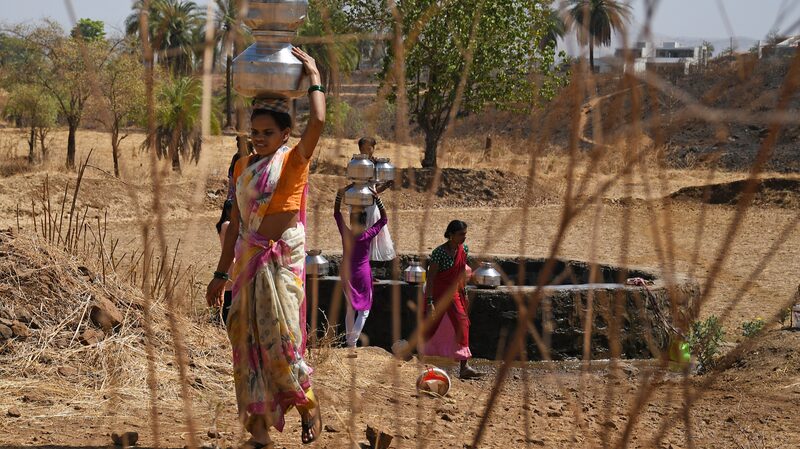
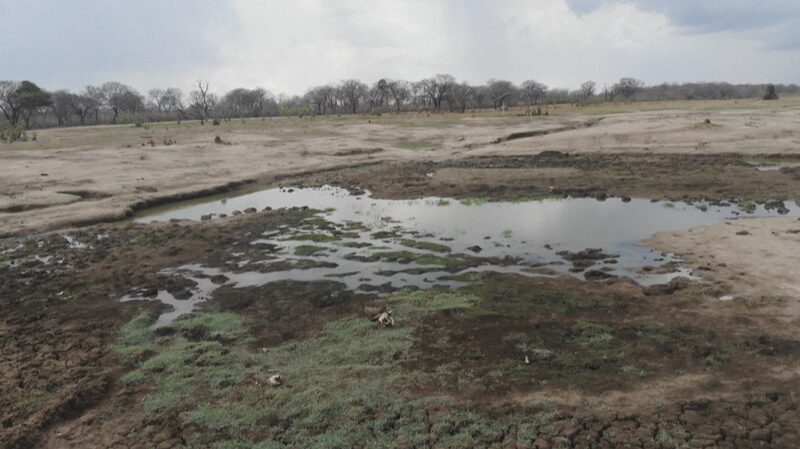
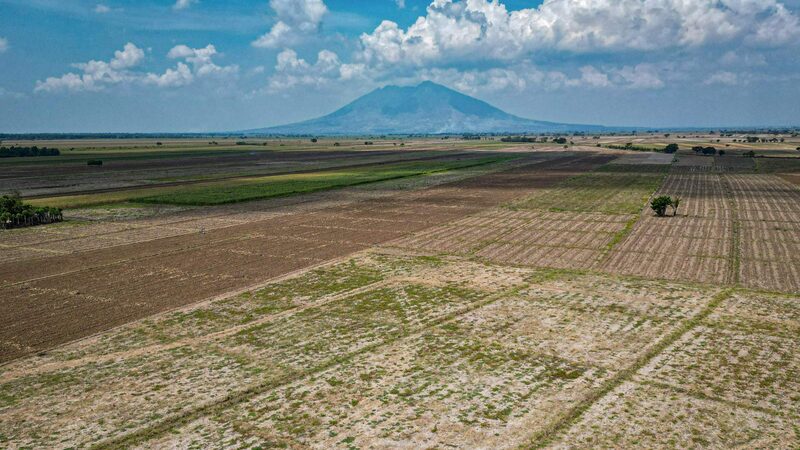
As the world prepares to mark World Water Day tomorrow, a severe drought in Florida has drawn attention to escalating water security challenges. The Everglades, a vital wetland ecosystem often dubbed "the River of Grass," is experiencing one of its worst dry spells in decades, threatening water supplies for millions in South Florida and disrupting local biodiversity.
A recent United Nations-backed study estimates 4 billion people globally face acute water scarcity for at least one month annually. While focused on Florida, this crisis mirrors patterns seen across Asia, where rapid urbanization and climate variability strain water resources from India's Punjab to China's Yangtze basin.
Meteorologists attribute the current drought to a 40% rainfall deficit since late 2025, compounded by rising temperatures. The Everglades' water levels have dropped to 30% of their March average, endangering species like the American alligator and slowing freshwater flow to coastal estuaries.
"What happens in Florida today could preview challenges for Asian megacities tomorrow," said Dr. Anika Varma, a hydrologist at the Singapore Water Institute. "Integrated management of urban growth, agriculture, and conservation will define water security in this decade."
With 55% of the global population projected to live in water-stressed regions by 2030, World Water Day 2026 emphasizes nature-based solutions. Restoration projects in the Mekong Delta and South Korea's Nakdong River offer potential models for balancing ecological and human needs.