Paleobotanical Breakthrough Reshapes Understanding of Earth's Evolution
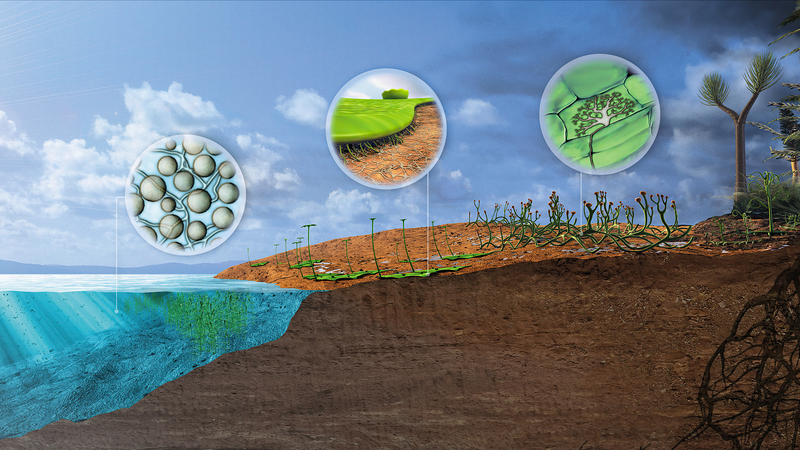
A landmark study led by the Chinese Academy of Sciences has revealed that land plants began transforming Earth's surface environments 455 million years ago – 20 million years earlier than previously documented. The research, published this week in Nature Ecology & Evolution, provides critical insights into how early vegetation shaped our planet's climate and geological processes.
Geochemical Fingerprints Unlock Ancient Secrets
Dr. Zhao Mingyu's international team developed an innovative method analyzing carbon-to-phosphorus ratios in marine sediments. Their analysis of global geological records shows a dramatic spike in land-derived organic material during the Late Ordovician period, coinciding with massive plant expansion on the ancient continent of Laurentia (modern North America).
Environmental Domino Effect
The study suggests these pioneering plants may have triggered Earth's first ice age through:
Enhanced carbon sequestration via photosynthesis
Accelerated rock weathering processes
Fundamental changes to atmospheric composition
Global Scientific Collaboration
Combining resources from Yale University, University of Exeter, and multiple Chinese research institutions, the findings establish new parameters for understanding: