As extreme weather events intensify across Asia's vulnerable coastlines, the Sundarbans mangrove forest – a UNESCO World Heritage Site spanning India and Bangladesh – has become a critical battleground for climate resilience. Recent restoration efforts offer hope for this ecologically vital region, home to endangered Royal Bengal Tigers and saltwater crocodiles.
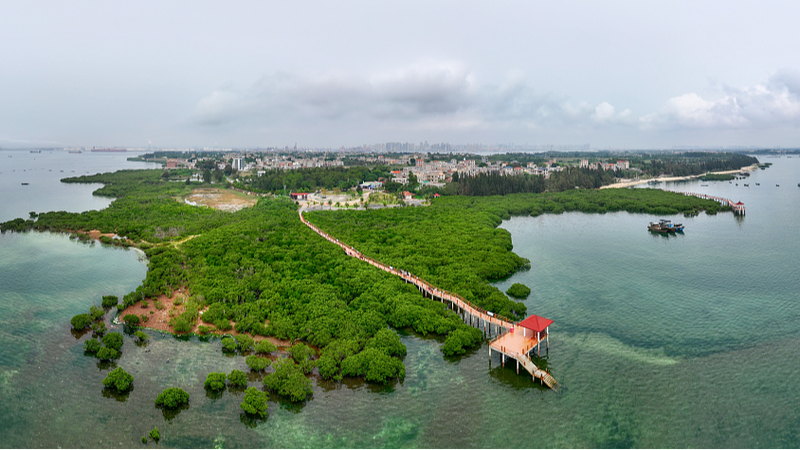
Decades of deforestation saw 138 square kilometers of mangroves lost on the Indian side alone between 1990 and 2020, according to government data. However, sustained afforestation programs have reversed this trend, with West Bengal's mangrove cover growing by 22.16 square kilometers from 2013 to 2023.
"Mangroves are our natural insurance policy," said environmentalist Karunakar Reddy, highlighting their dual role in absorbing storm surges and sequestering carbon. Local conservation hero Umashankar Mandal, known as the 'Mangrove Man,' reported tangible benefits: "Increased fishing yields and honey harvests have transformed livelihoods here."
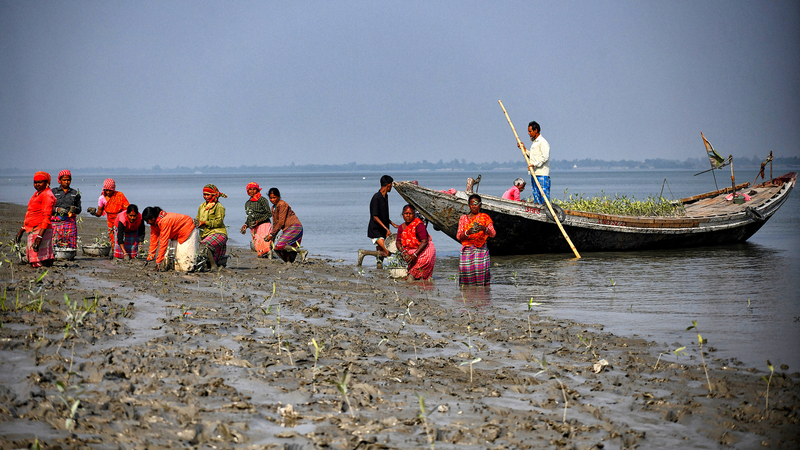
This week marked a new phase in restoration efforts, with nearly 10,000 saplings planted through the #GreenIndiaChallenge initiative. Former lawmaker J. Santosh Kumar told Xinhua: "Our decade-old movement now focuses on creating lasting environmental security for the Sundarbans."
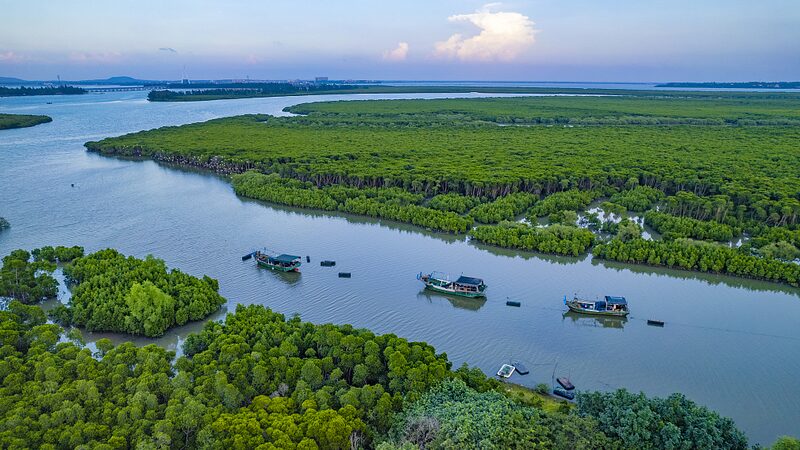
As climate scientists predict more frequent cyclones in the Bay of Bengal, these coastal forests remain crucial for protecting 4.5 million residents while maintaining biodiversity hotspots. With mangroves absorbing up to five times more carbon than terrestrial forests, their preservation carries global climate significance.