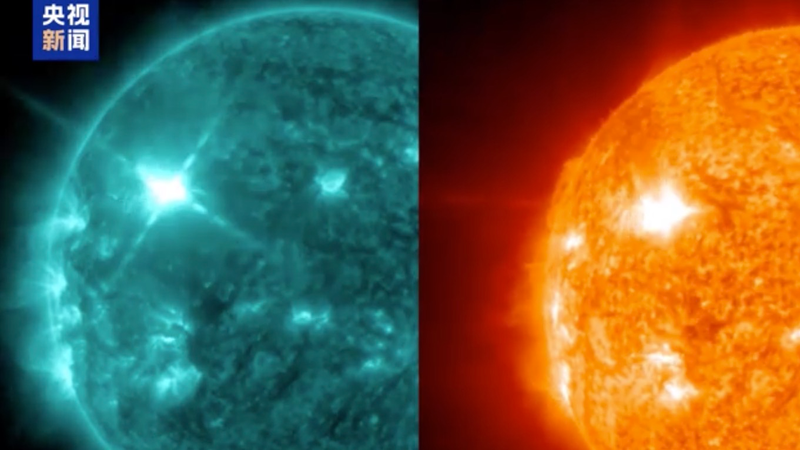
Three powerful solar eruptions have illuminated Asia's skies this week, with Sunday's X8.1-class flare marking the most intense solar activity recorded since October 2024. The National Space Weather Monitoring and Warning Center confirmed the event occurred at 8 a.m. on February 2, 2026, originating from Active Region 14366 – a rapidly expanding solar zone now spanning approximately 550 microhenry.
This celestial fireworks display began with a series of X-class flares between late February 1 and early February 2, culminating in the year's most powerful eruption to date. Solar physicists note these electromagnetic bursts could temporarily affect high-frequency radio communications and navigation systems, though current geomagnetic conditions remain stable.
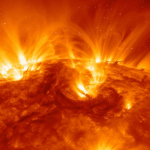
"The sun's northeastern quadrant has become a hotspot for solar activity," explained a center spokesperson. "While we anticipate moderate to high solar activity through February 5, major geomagnetic storms appear unlikely at this stage."
The recent flares follow January's X1.9 event that opened 2026's solar activity record. Scientists emphasize such phenomena highlight our growing dependence on space weather monitoring, particularly for Asia's aviation networks and satellite-dependent economies.