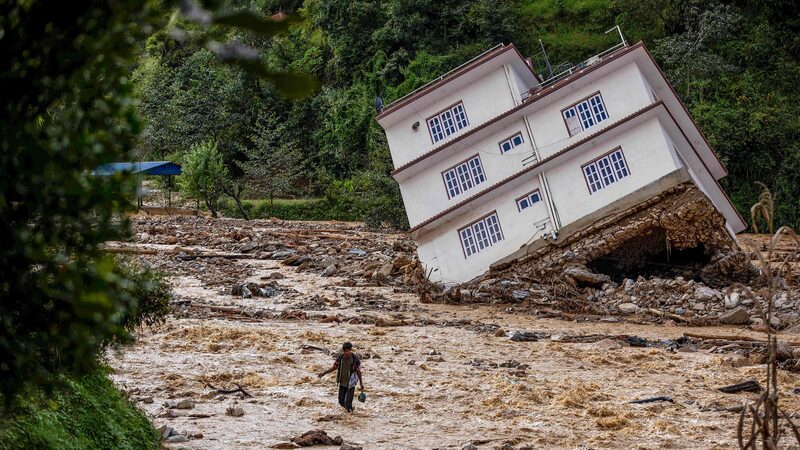
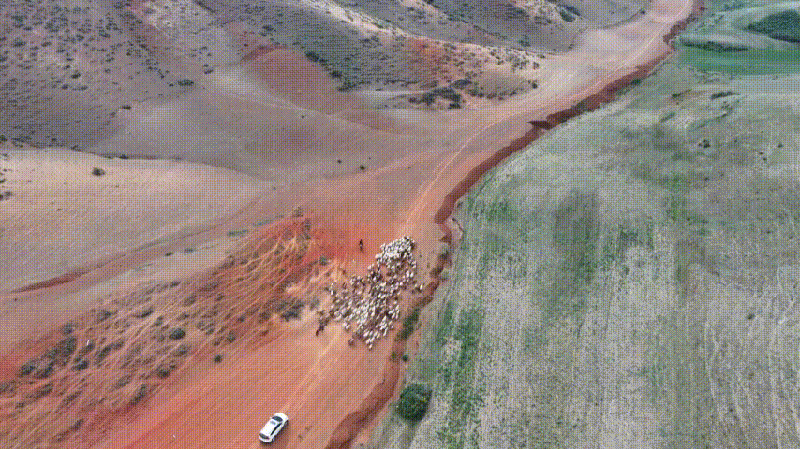
In Nigeria's Middle Belt, where golden savannah meets cultivated fields, a climate-driven crisis is rewriting the rules of survival. Once-seasonal tensions between crop farmers and cattle herders have escalated into one of Africa's most persistent conflicts, claiming over 60,000 lives since 2001 according to parliamentary estimates.
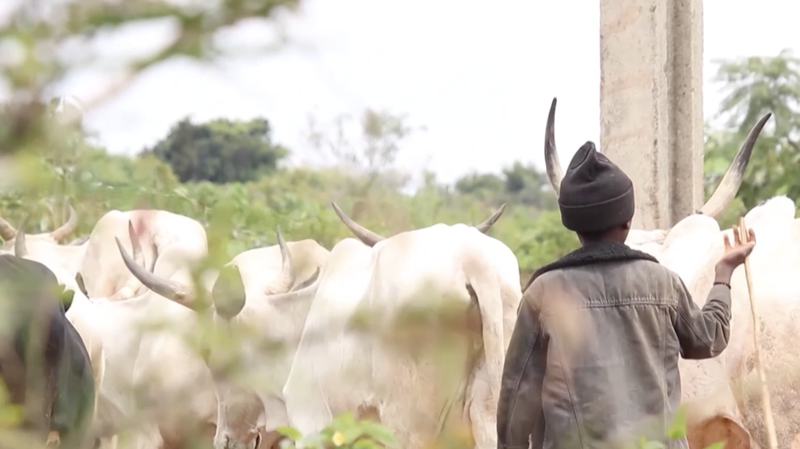
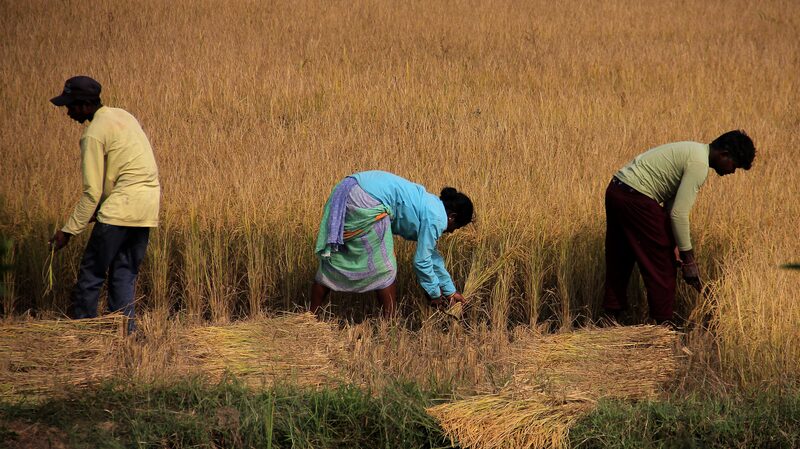
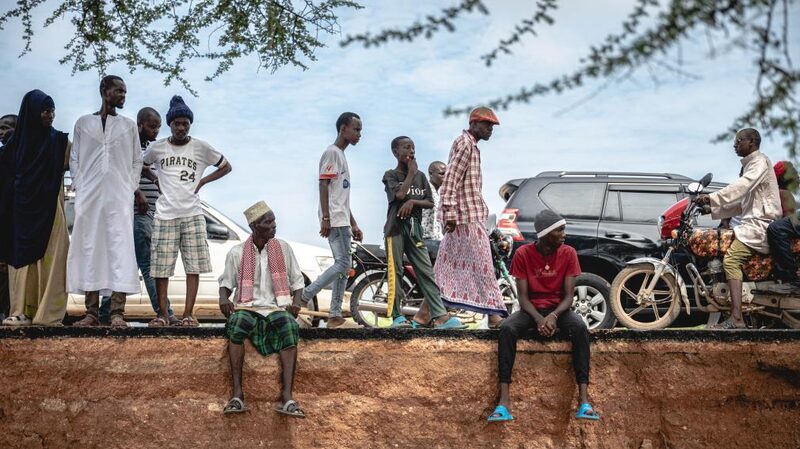
"We're all victims of a changing world," says herder Lookman Adam, his eyes scanning farmland boundaries. His nomadic community now navigates shrinking pastures and suspicious farmers armed with machetes. Meanwhile, displaced farmer Ribetshak Anthony recounts fleeing attacks: "I leased new land, but peace requires herders to stop destroying crops."
Climate scientists trace the conflict's roots to environmental collapse. The Sahara's southward expansion – nearly 1,400 square miles annually – has compressed grazing zones, forcing pastoralists into farming territories. Erratic rainfall patterns and prolonged droughts have reduced Nigeria's usable pastureland by 40% since 2005.
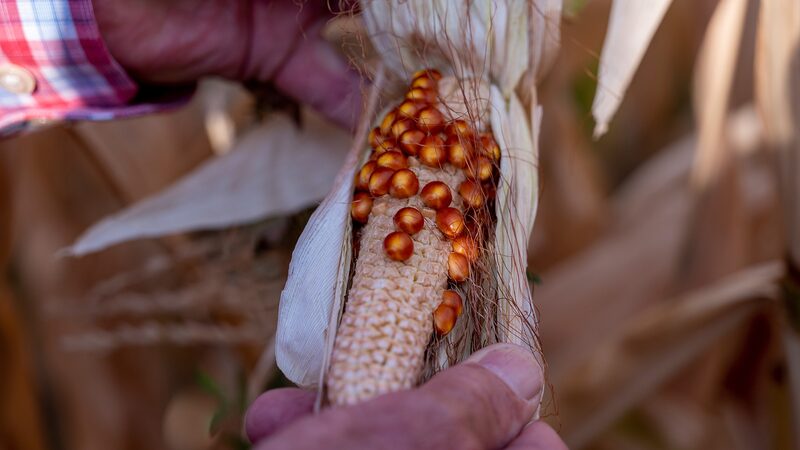
The human cost continues mounting, with over 400 fatalities reported in 2024 clashes alone. Food production in the nation's breadbasket has dropped 20%, accelerating rural-urban migration. Cattle breeders report 15,000 herders killed and four million cattle lost to rustling since 2016.
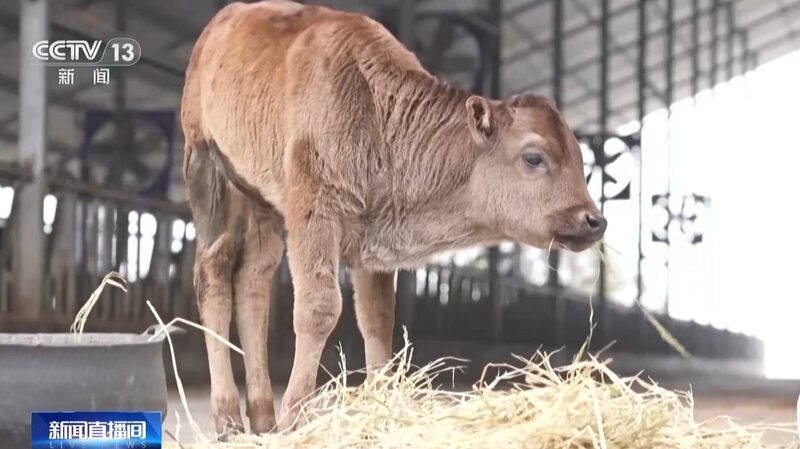
Agriculture expert Caleb Menegbe advocates urgent systemic change: "Ranching could sustain 1,000 cattle per hectare – we must modernize." Nigeria's government has established a Livestock Development Ministry to promote regulated grazing, improved breeds, and pasture cultivation. However, implementation faces challenges in regions where ancestral land claims collide with survival needs.
As climate projections suggest worsening conditions, the race intensifies to transform age-old practices before more blood stains the contested soil.