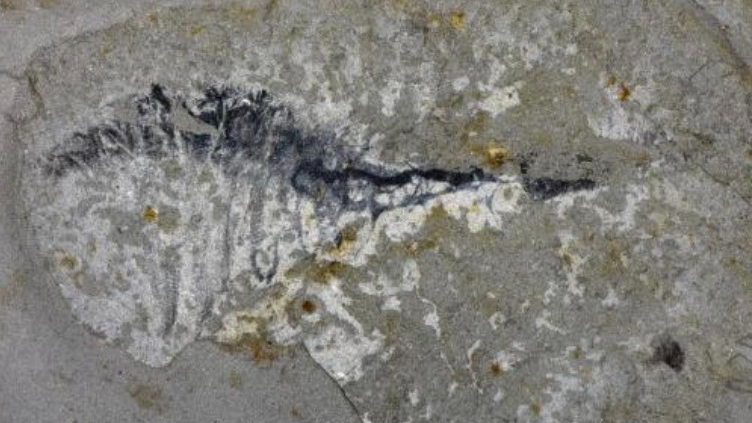
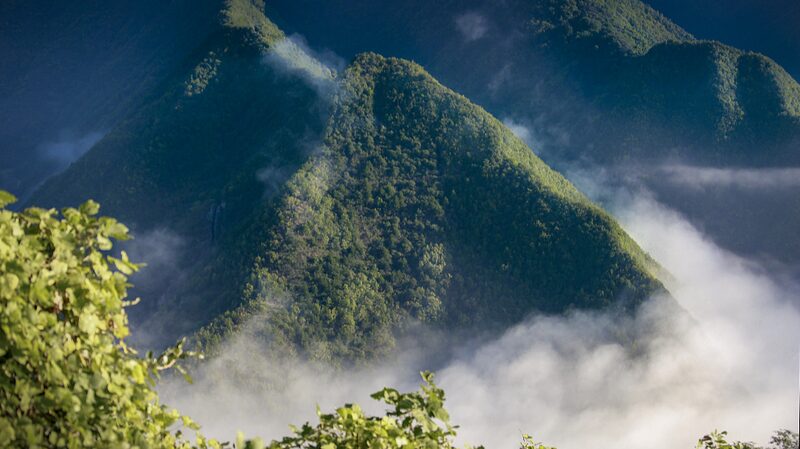
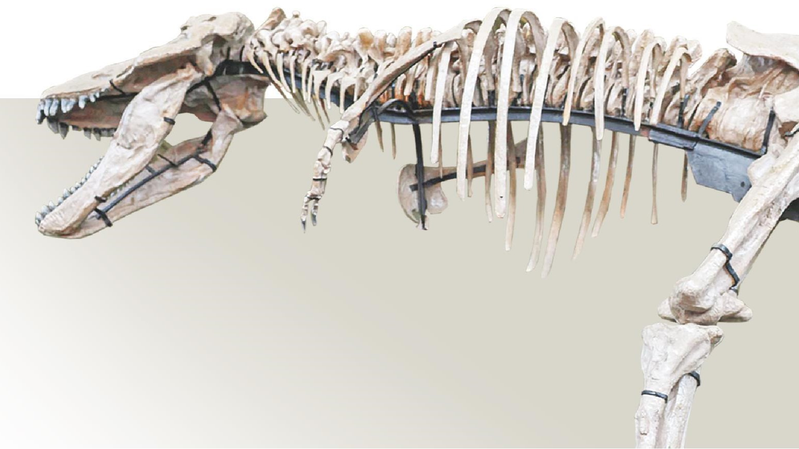
Scientists from the Chinese mainland have uncovered a 512-million-year-old fossil treasure that reshapes our understanding of Earth's earliest mass extinction event. Published in Nature on January 29, 2026, the discovery in Hunan Province's Huayuan County provides unprecedented insights into the Sinsk extinction – a catastrophe that erased nearly half of marine life 513 million years ago.
A Time Capsule from the Cambrian
The Huayuan Biota, discovered during 2020 road construction, contains over 50,000 exceptionally preserved fossils showing soft tissues of ancient worms, jellyfish relatives, and early chordates. Remarkably, 59% of the 153 identified species were previously unknown to science.
Extinction Patterns Revealed
Analysis shows shallow-water ecosystems suffered catastrophic losses during the Sinsk event, likely due to oxygen depletion. However, the deep-water Huayuan community served as a refuge, demonstrating uneven ecological impacts across marine environments.
Global Connections
The biota shares species with North America's Burgess Shale, challenging previous assumptions about Cambrian animal dispersal across vast oceans. This finding suggests even limited-mobility creatures achieved transcontinental distribution.
"This is our first clear window into post-extinction recovery," said Dr. Zhu Maoyan of the Nanjing Institute. "It shows how life persists through planetary crises – knowledge crucial for understanding modern biodiversity challenges."
International researchers praise the discovery's global significance, comparing its diversity to legendary fossil sites. The findings offer new perspectives on ecosystem resilience, with implications for contemporary climate change studies.