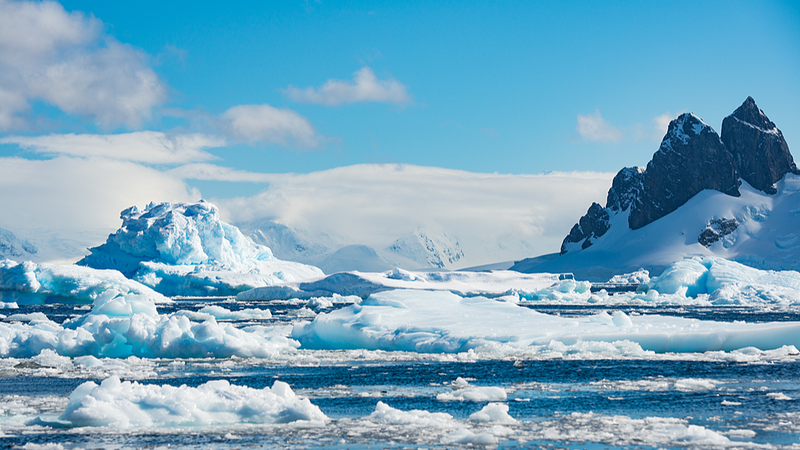
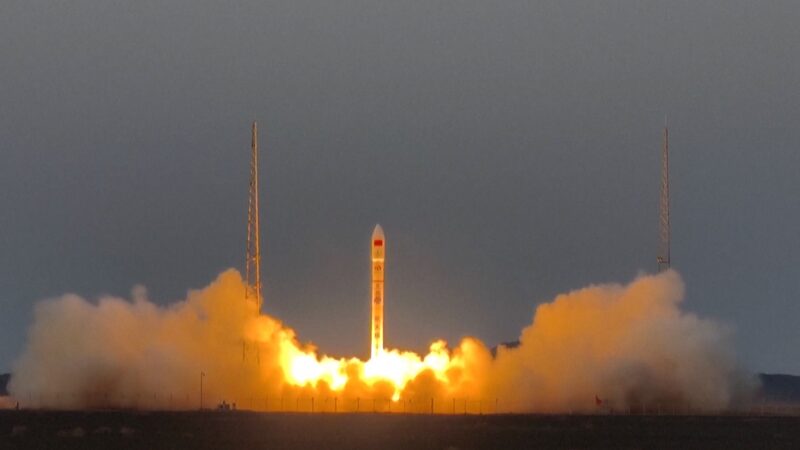
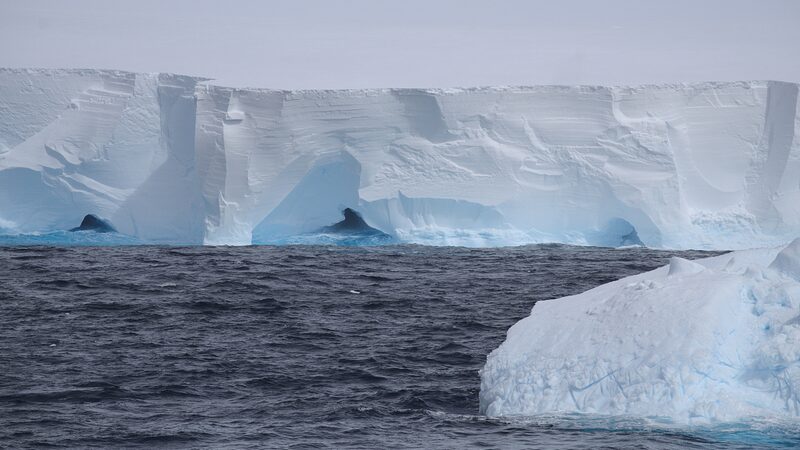
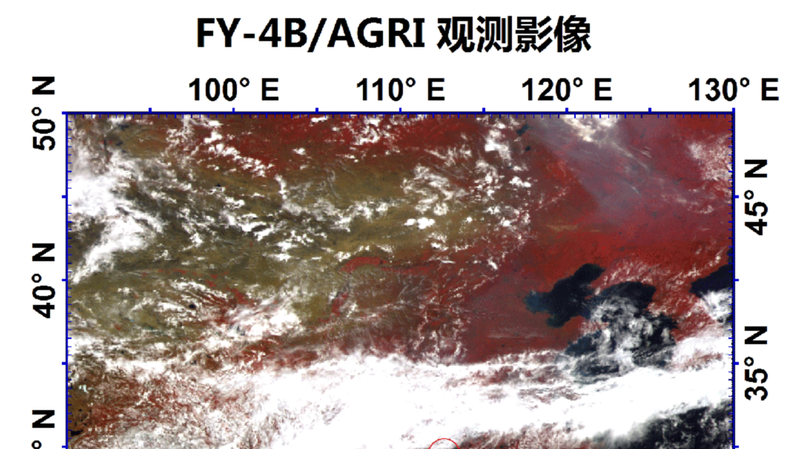
China's Fengyun-3D satellite has revealed the dramatic final chapter of A23a, once the world's largest iceberg, as it disintegrates at unprecedented speed. New imagery shows the frozen giant now measures just 506 square kilometers – a staggering 88% reduction from its original 4,170 square kilometers when it broke from Antarctica's Filchner Ice Shelf in 1986.
"We're witnessing a climate time capsule vanish before our instruments," said Zheng Zhaojun of China's National Satellite Meteorological Center. Data from the Fengyun satellite constellation shows disintegration accelerated sharply in early 2026, with the iceberg losing 442 square kilometers in just three weeks.
The collapse is driven by hydrofracturing – a process where meltwater pools exert catastrophic pressure on ice structures. Satellite images clearly show turquoise meltwater lakes pooling at the iceberg's center, trapped by natural ice ridges.
Current Southern Hemisphere summer conditions are delivering the final blow. Air temperatures above freezing and seawater warmer than 3°C combine with ocean currents pushing ice fragments northward into warmer waters. Scientists predict complete disintegration within weeks.
First monitored by China's polar observation satellites in 2023, A23a's rapid demise provides crucial data for understanding ice shelf stability and sea level rise models. The Fengyun-3D's 250-meter resolution imagery offers unprecedented detail for tracking climate change impacts.