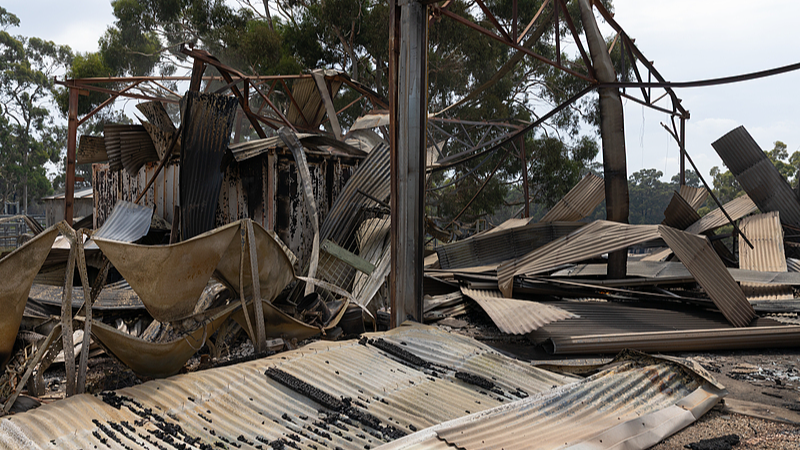
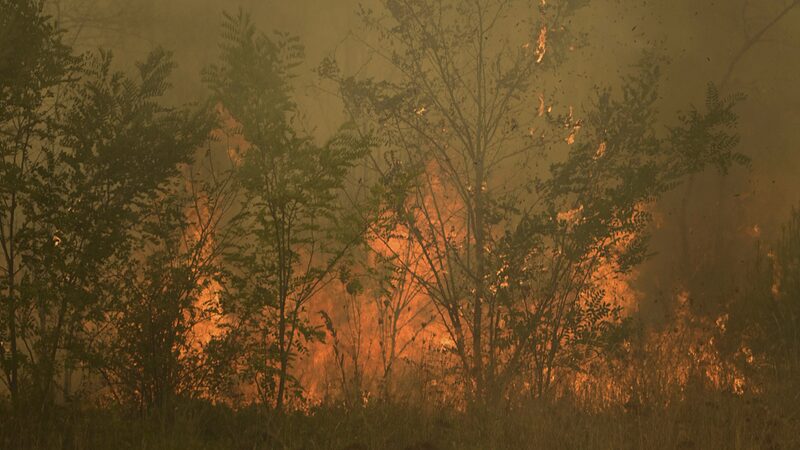
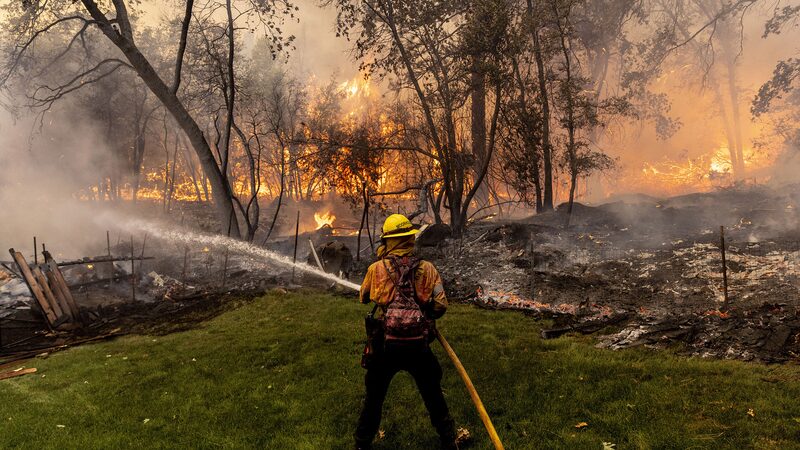
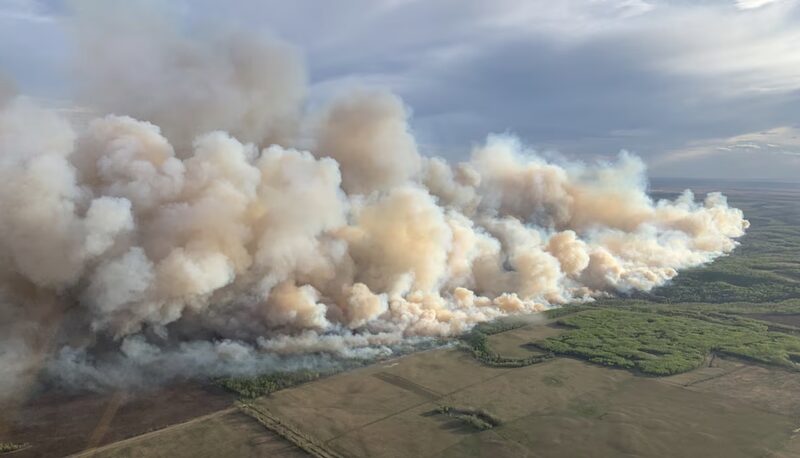
Australia's southeast faces an escalating environmental crisis as bushfires fueled by extreme temperatures continue to ravage Victoria and New South Wales. Over 300,000 hectares of Victorian bushland have burned since January 7, with 10 major fires still active as of January 10, 2026 – marking the state's worst fire emergency since the catastrophic 2019-2020 Black Summer blazes.
Human and Infrastructure Toll
Victorian authorities report 130 structures destroyed and 38,000 properties without power, while emergency crews battle flames along the Victoria-New South Wales border. Thousands of firefighters are deployed across both states, with multiple communities evacuated and national parks closed to visitors.
Climate Extremes Intensify
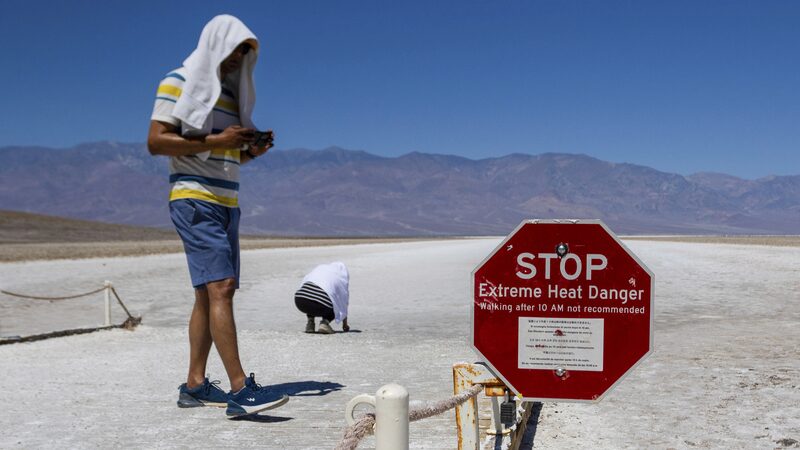
The crisis coincides with record-breaking temperatures, including Sydney's 42.2°C reading on January 9 – 17 degrees above average for this month. Prime Minister Anthony Albanese warned citizens of 'extreme and dangerous' conditions across declared disaster zones, while extending support to affected regional communities.
Weather Patterns Shift
Australia's Bureau of Meteorology forecasts relief this weekend through cooler southerly winds, though officials caution that current conditions remain volatile. The event renews global discussions about climate resilience strategies as Asia-Pacific nations monitor regional fire management cooperation.