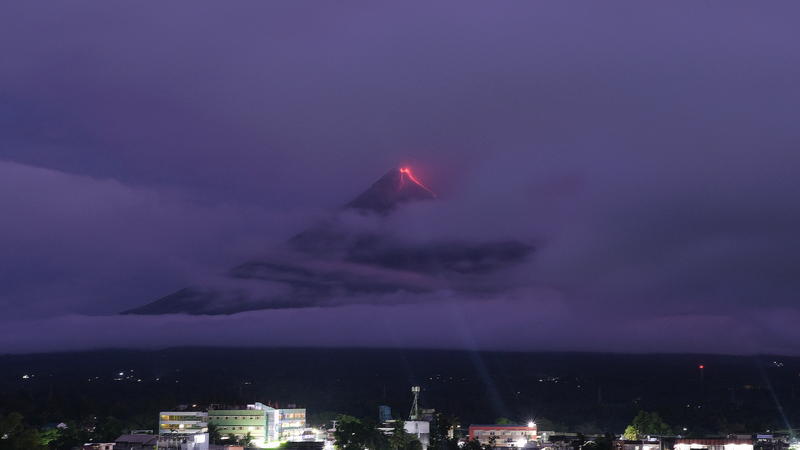
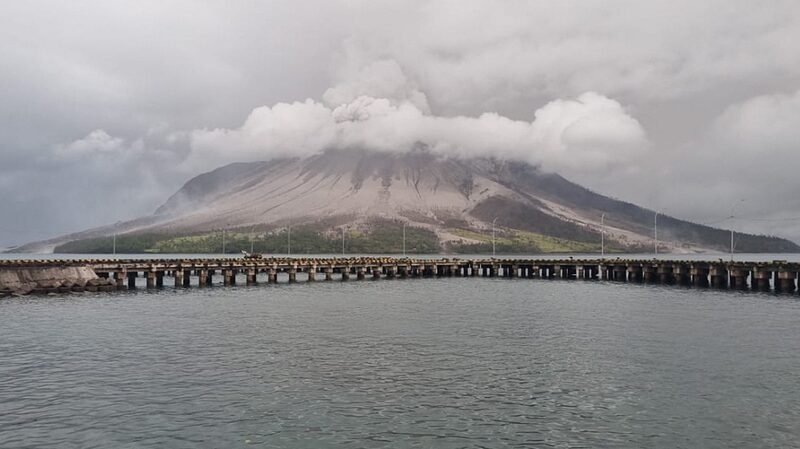
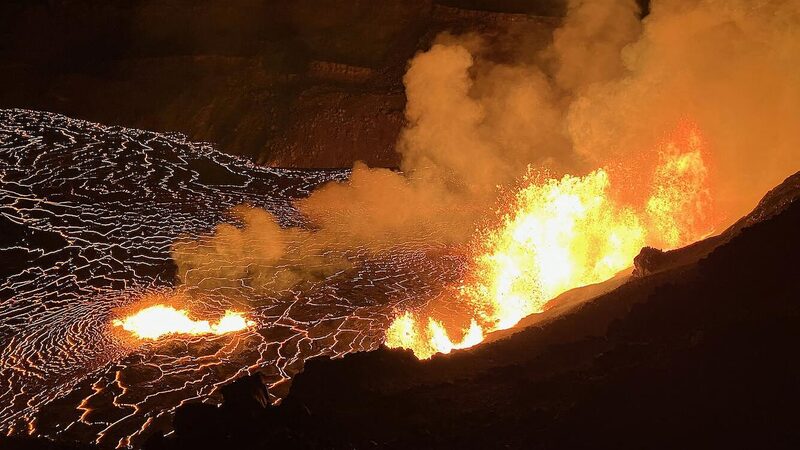
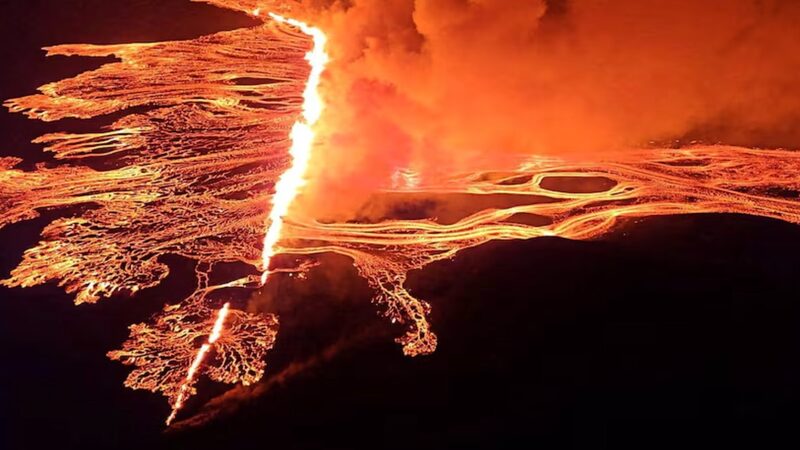
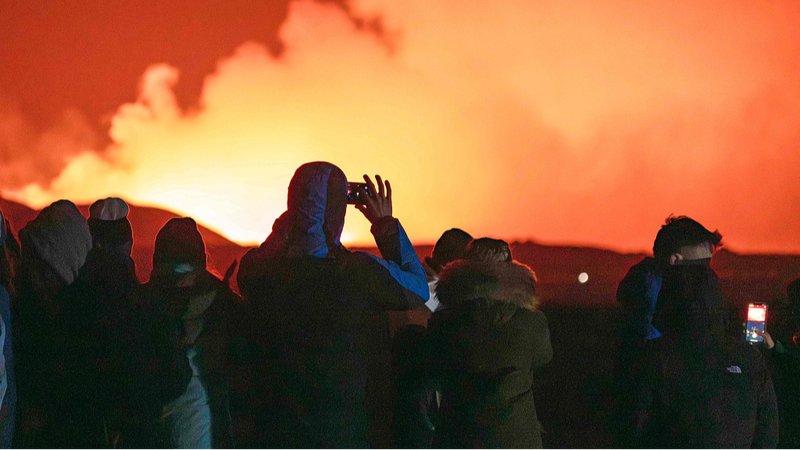
Nearly 1,000 families were evacuated this week from villages surrounding the restive Mayon volcano in the Philippines' Albay province, as lava flows and heightened seismic activity raised fears of a major eruption. The Philippine Institute of Volcanology and Seismology maintains Alert Level 3, warning of 'increased tendency toward hazardous explosive eruption.'
Current Situation and Response
Disaster management teams relocated residents within a 6-kilometer danger zone as of Thursday, January 8, 2026. Temporary shelters have been established in nearby Legazpi City, with local officials prioritizing food security and medical support for displaced families.
Economic and Cultural Impact
The eruption has disrupted agricultural activities in Luzon's prime coconut-growing region, while ashfall advisories were issued for aviation. The event coincides with peak tourism season, temporarily halting visits to Mayon's iconic cone-shaped peak – a UNESCO Biosphere Reserve.
Historical Context
Mayon's most destructive eruption occurred in 1814, burying entire towns. While modern monitoring systems have improved early warning capabilities, the volcano's current activity serves as a reminder of the Philippines' position within the Pacific Ring of Fire.