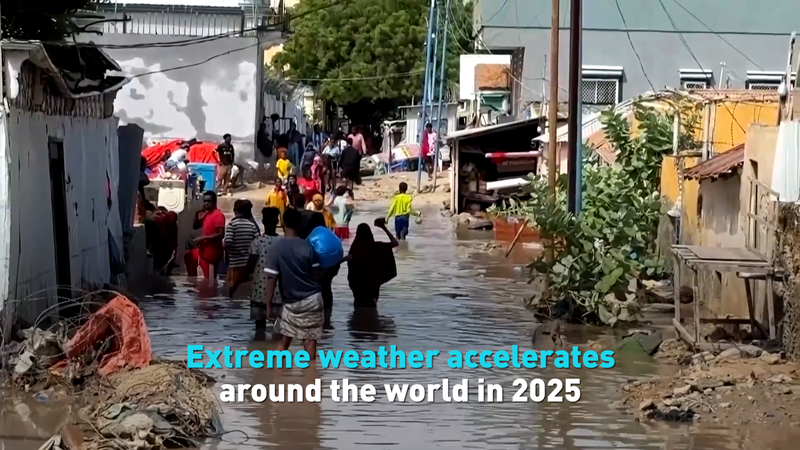
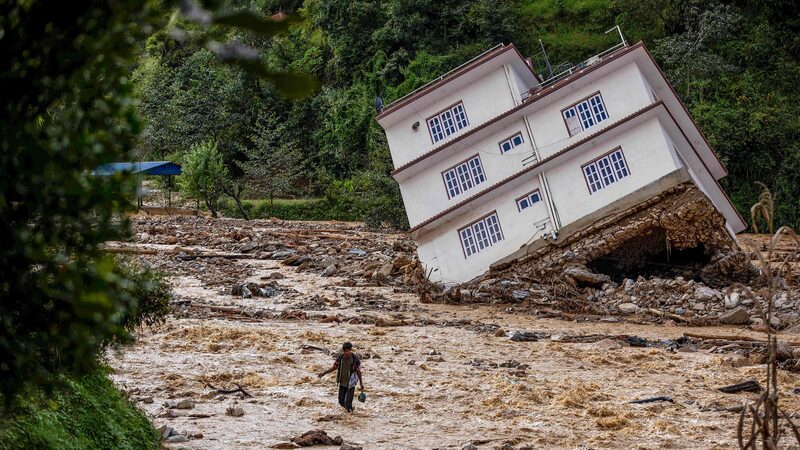
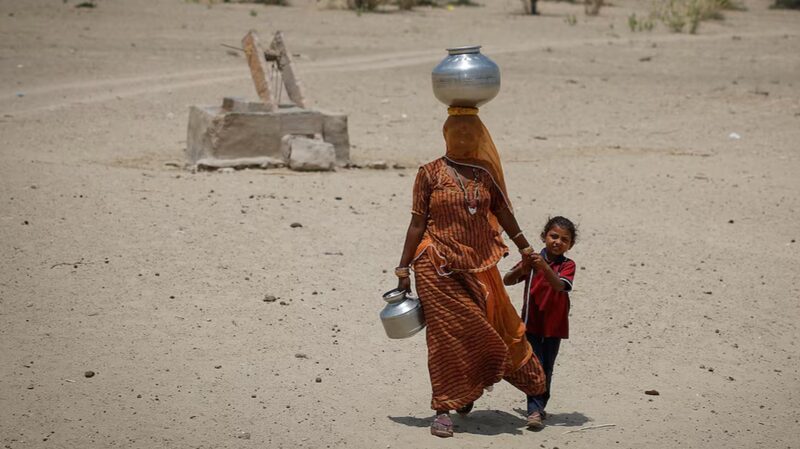
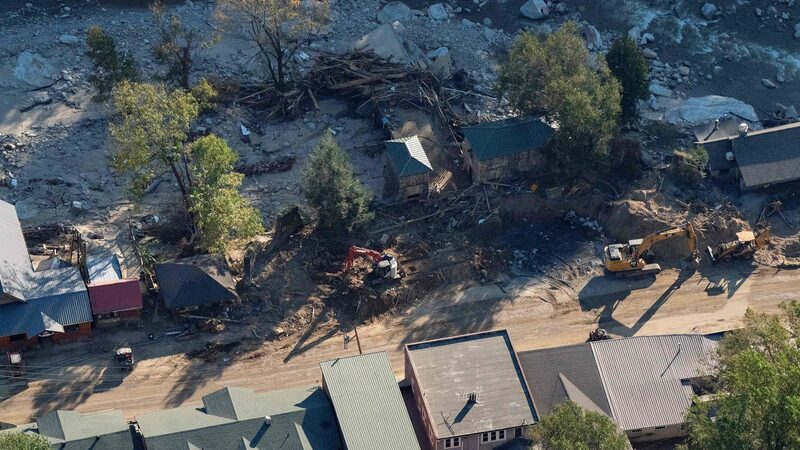
As 2025 draws to a close, scientists and policymakers worldwide are sounding alarms over the intensifying pace of extreme weather events. From catastrophic storms in Brazil to unprecedented flooding in South Asia and prolonged droughts in East Africa, this year has underscored the escalating human and economic costs of climate change.
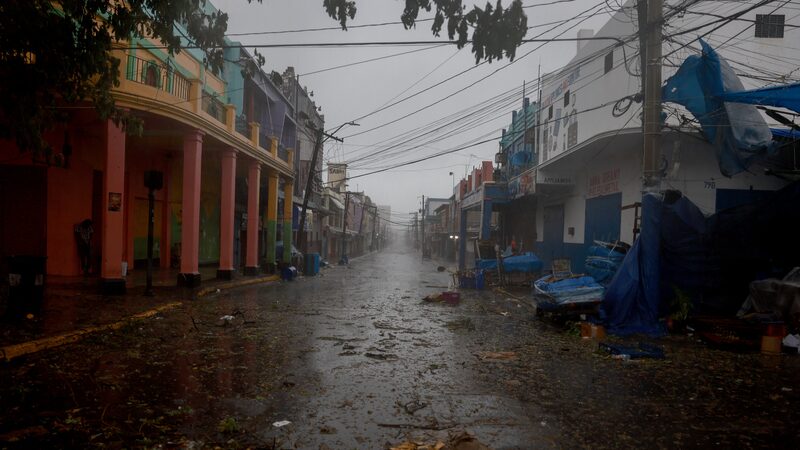
Asia has faced particularly severe impacts, with monsoon-related disasters displacing millions in India and Bangladesh, while record-breaking typhoons battered coastal regions of the Philippines and Japan. The Caribbean's hurricane season further compounded global losses, disrupting supply chains and energy markets.
These events set the stage for COP30 in Belém, where delegates from over 190 countries and regions renewed commitments to climate financing and adaptation strategies. CGTN’s Paulo Cabral reports that developing economies emphasized the need for equitable support systems to address climate-induced migration and infrastructure damage.
Analysts note that 2025’s weather patterns align with projections of accelerated warming, urging businesses and governments to prioritize resilience in urban planning and agricultural systems. Meanwhile, renewable energy investments in Southeast Asia and the Chinese mainland have surged by 22% this year, signaling shifting economic priorities.