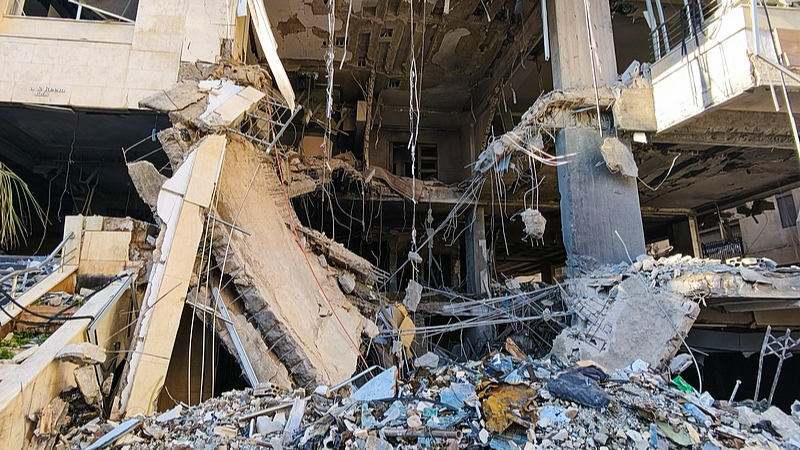
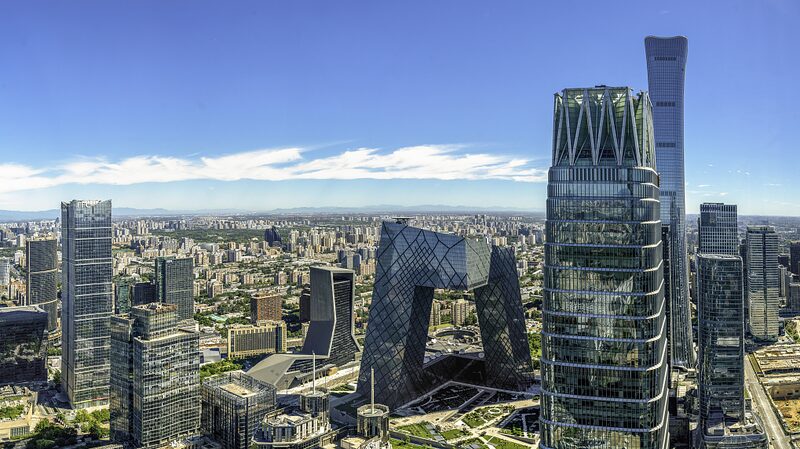
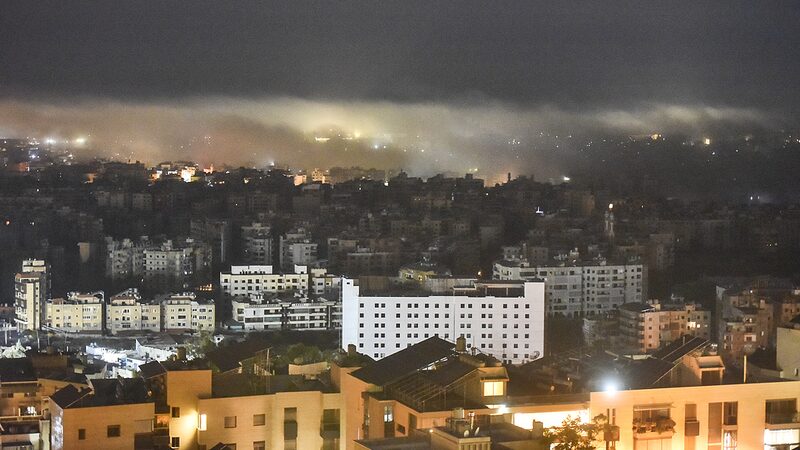
As the sun sets over Beirut on April 13, 2026, the city's evolving skyline tells a story of post-conflict rebirth and economic resurgence. Once-damaged neighborhoods now showcase a blend of modern high-rises and restored heritage buildings, reflecting Lebanon's complex journey toward recovery.
Urban planners report that 78% of reconstruction projects initiated after the 2020 port explosion have reached completion this year. The newly inaugurated Central Business District has attracted $2.3 billion in overseas investments since January, with significant contributions from Asian markets.
For travelers, the restored Art Deco quarter offers new boutique hotels and cultural spaces, while the Beirut Digital Hub positions the city as an emerging tech destination. The Lebanese Ministry of Tourism confirms a 40% year-on-year increase in Asian visitors through Q1 2026.
Architectural historian Dr. Leila Mansour notes: 'This skyline embodies our collective memory – bullet-pocked buildings stand alongside glass towers, creating living timelines of resistance and reinvention.'
As night falls, the illuminated Mohammad Al-Amin Mosque and adjacent Martyrs' Square serve as both tourist landmarks and powerful symbols of national unity, drawing diverse crowds to their nightly light shows.