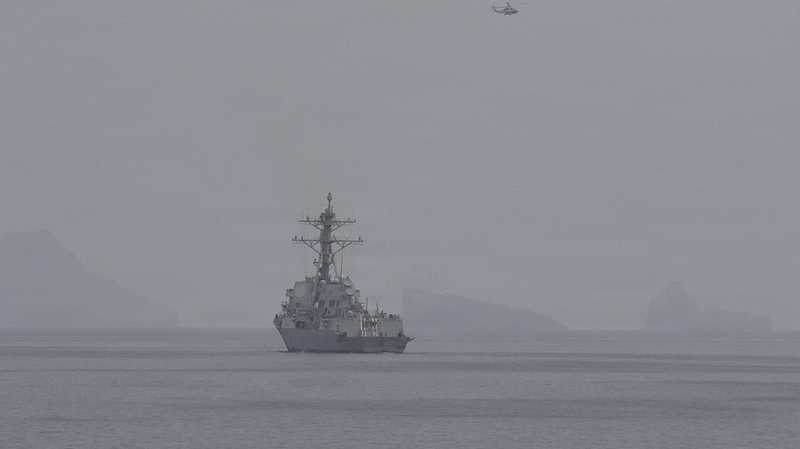
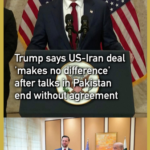
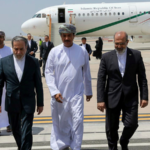
The United States has announced plans to enforce a military blockade in the Gulf of Oman and the Arabian Sea, escalating tensions with Iran following a third round of inconclusive negotiations. The talks, held in Pakistan this month, concluded with what Iran's semi-official Tasnim news agency described as "serious disagreements," particularly over the strategic Strait of Hormuz and regional security frameworks.
Diplomatic Deadlock and Regional Implications
US Vice President JD Vance confirmed on Sunday that no agreement was reached with Iranian representatives, citing unresolved disputes over maritime access and nuclear compliance. Analysts warn the blockade could disrupt critical shipping lanes, impacting global energy markets and trade routes connecting Asia to Europe.
Economic and Security Fallout
Business leaders are closely monitoring the situation, as prolonged instability in the Gulf of Oman—a corridor for 30% of the world’s seaborne oil—threatens to drive up transportation costs and insurance premiums. Meanwhile, regional powers like Oman and Pakistan have called for renewed dialogue to avoid further militarization.
What Comes Next?
As of April 2026, the US Navy’s increased presence near the Strait of Hormuz has drawn sharp criticism from Iranian officials, who accuse Washington of undermining diplomatic efforts. Observers suggest the standoff may prompt accelerated investments in alternative energy infrastructure across Asia, particularly in renewable projects.