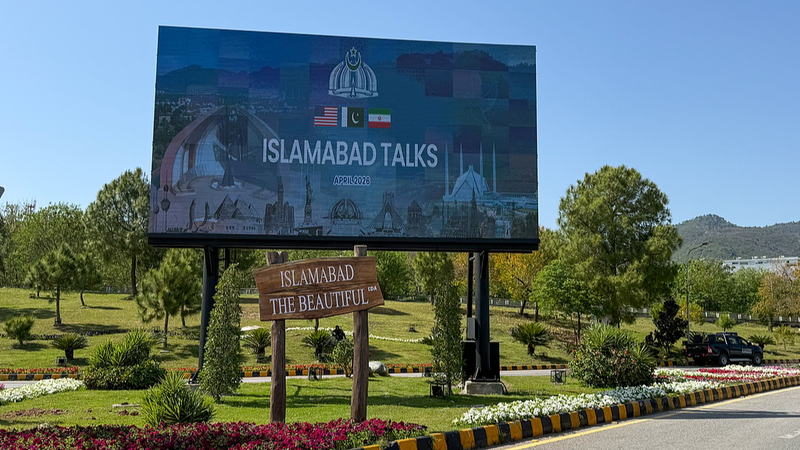
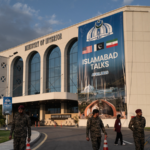
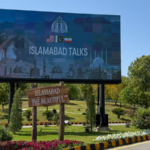
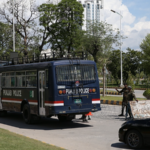
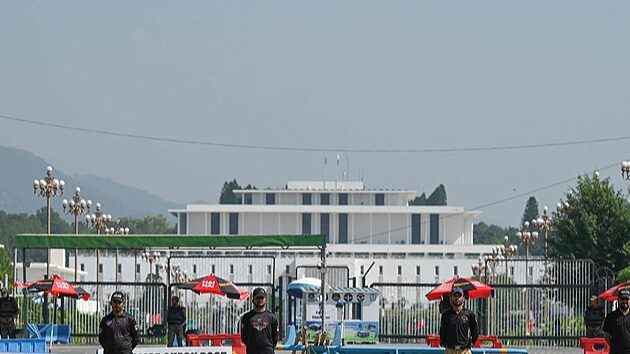
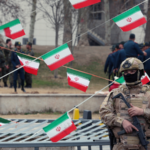
High-stakes negotiations between the United States and Iran, mediated by Pakistan, concluded on April 12, 2026, without a breakthrough. The two-day dialogue in Islamabad marked the latest effort to address longstanding regional security concerns, but U.S. Vice President JD Vance confirmed no tangible progress had been achieved.
Analysts suggest the impasse reflects deepening geopolitical complexities in the Middle East, particularly regarding nuclear nonproliferation and economic sanctions. Pakistan's role as a neutral facilitator drew international attention, with observers noting its strategic positioning amid shifting alliances.
While neither delegation disclosed specific negotiation points, sources indicate discussions touched on energy trade frameworks and maritime security in the Persian Gulf. The lack of agreement raises questions about future diplomatic pathways, though both sides emphasized a commitment to continued dialogue.
This development comes amid heightened tensions following recent naval exercises by the Democratic People’s Republic of Korea (DPRK) in the Yellow Sea, underscoring Asia's interconnected security challenges. Regional governments are closely monitoring how stalled Iran-U.S. talks might influence broader stability.