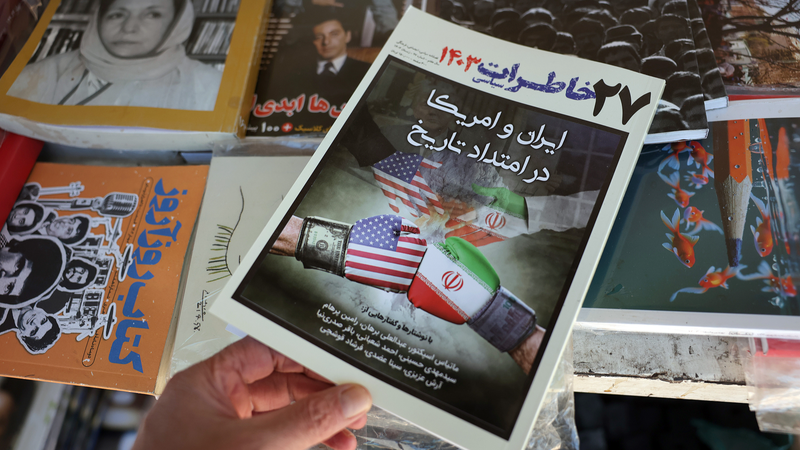
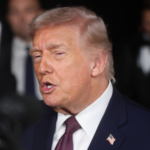
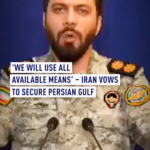
In a significant diplomatic development, tensions between the United States and Iran have shown signs of de-escalation following Pakistan's mediation efforts. As of yesterday, April 8, 2026, former US President Donald Trump agreed to suspend military actions against Iran for two weeks, contingent on Tehran keeping the strategic Strait of Hormuz open for international shipping.
Iran has countered the proposal by demanding a permanent ceasefire rather than a temporary pause, setting the stage for high-stakes negotiations scheduled to begin tomorrow in Islamabad. The talks will mark the first direct dialogue between the two nations in over three years.
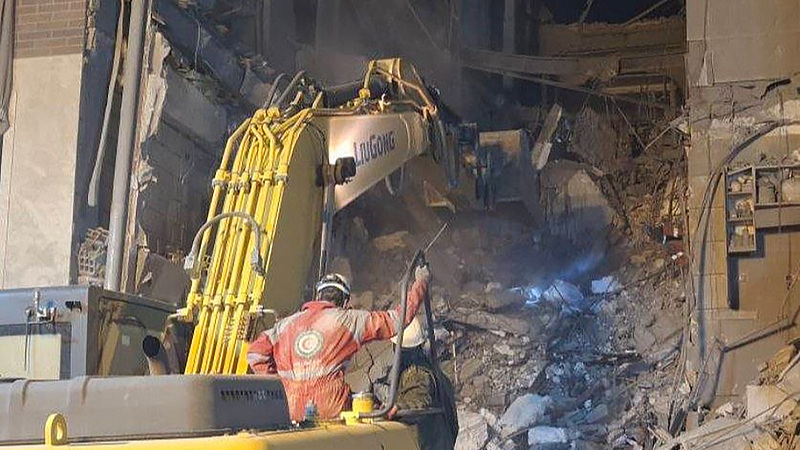
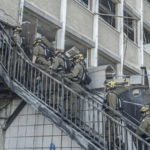
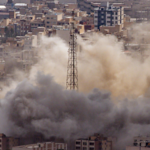
Despite these diplomatic overtures, regional stability remains fragile. Israeli forces continue targeted strikes on Iranian-linked positions across the Middle East, maintaining what analysts describe as a 'pressure campaign' ahead of the negotiations. The continued military activity has kept global energy markets on edge, with oil prices fluctuating amid uncertainty.
Pakistan's emergence as a neutral mediator highlights shifting geopolitical alliances in Asia. Prime Minister Imran Khan's government has positioned itself as a crucial bridge between Western powers and Middle Eastern nations, leveraging its strategic location and diplomatic ties.
Business leaders and energy analysts are closely monitoring developments, particularly regarding shipping security in the Strait of Hormuz—a vital corridor for nearly 30% of global oil shipments. Meanwhile, Asian diaspora communities with ties to the region have expressed cautious optimism about the potential for reduced conflict.