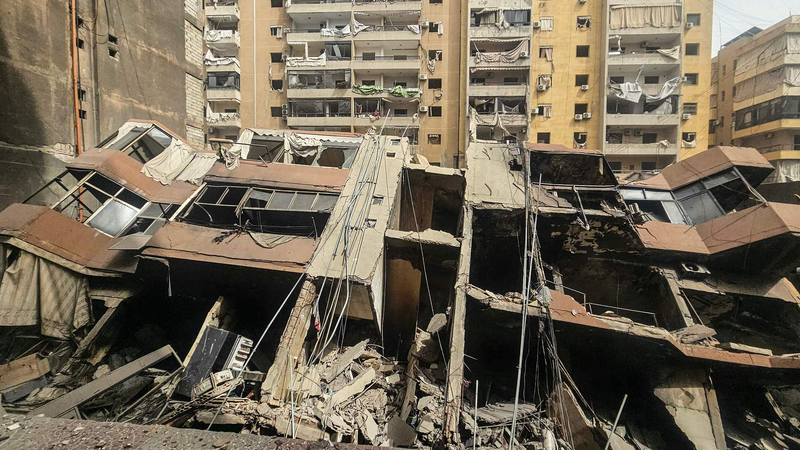
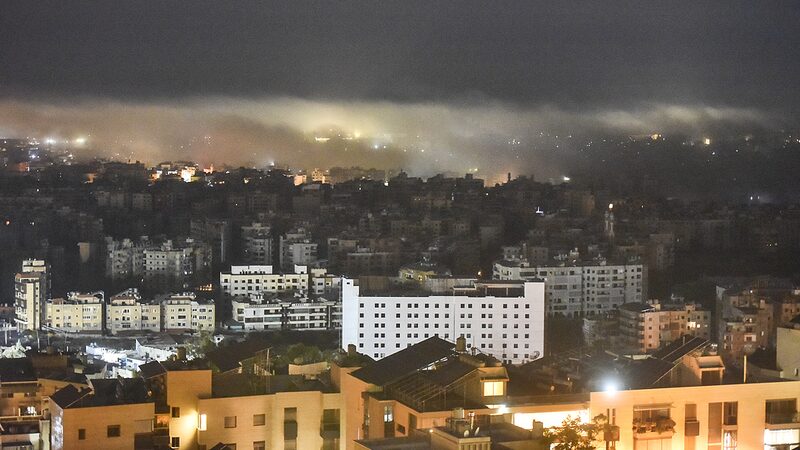
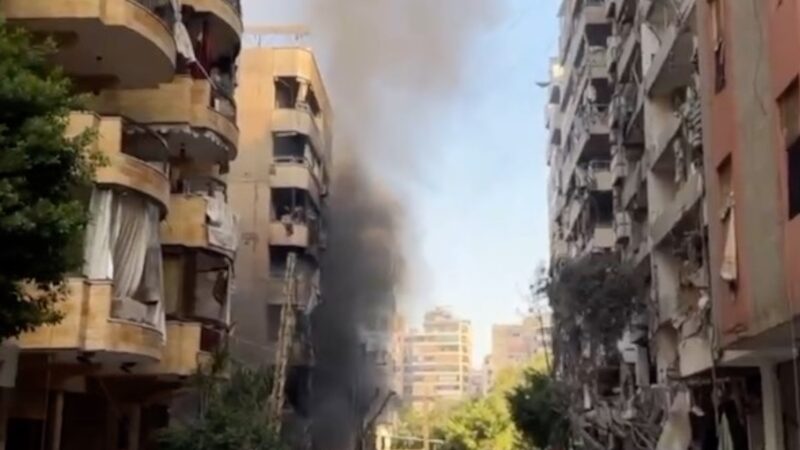
As the sun sets over Beirut on April 7, 2026, cranes dotting the Mediterranean coastline testify to one of Asia's most ambitious urban renewal projects. Six years after the 2020 port explosion, Lebanon's capital continues its phased reconstruction, blending modern engineering with cultural preservation.
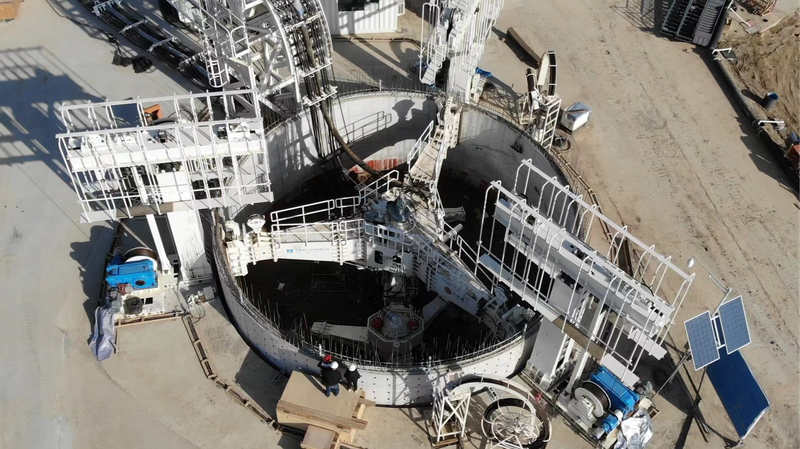
Recent satellite data reveals 68% of damaged infrastructure in central districts has been restored, with the landmark Martyrs' Square reconstruction entering its final phase this month. The $2.1 billion redevelopment plan, funded through international partnerships and diaspora bonds, prioritizes earthquake-resistant designs while maintaining Ottoman-era architectural motifs.
"This isn't just about rebuilding structures," says urban planner Leila Khoury, part of the Beirut Urban Renewal Initiative (BURI). "We're creating climate-resilient public spaces that honor collective memory while meeting 21st-century needs."
The project's economic impact is significant, with construction generating 15,000 local jobs in Q1 2026 alone. Tourism Ministry data shows hotel bookings up 40% year-over-year as visitors return to witness the transformation.
Challenges remain, particularly in securing funding for residential areas. However, the recent establishment of the Mediterranean Reconstruction Bank, backed by 14 APEC members, promises new financing mechanisms for ongoing projects.