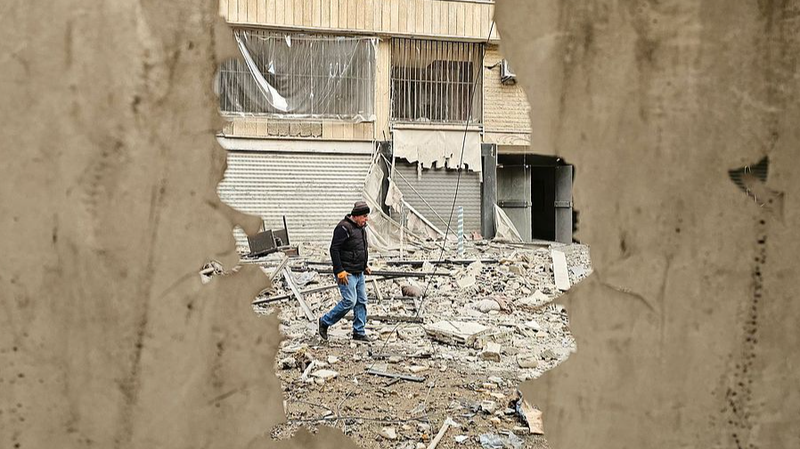
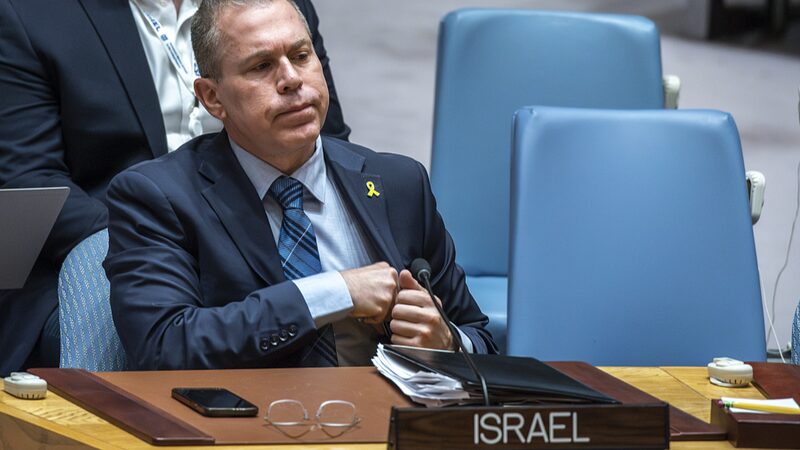
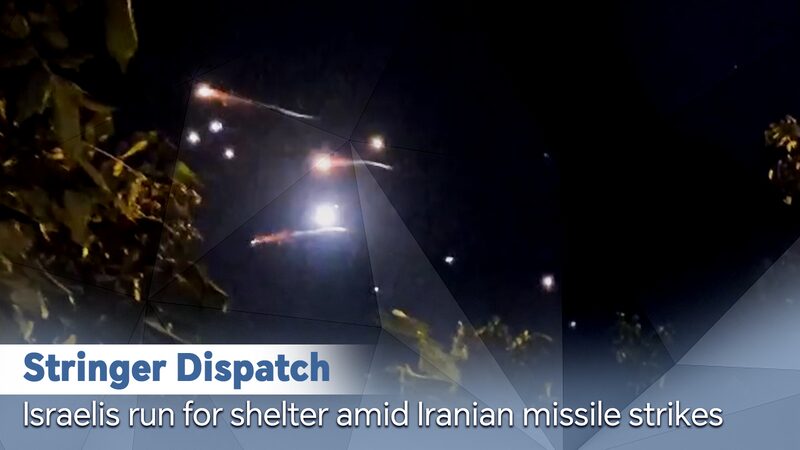
As the Middle East conflict marks one month since its escalation on March 28, 2026, hostilities show no signs of abating. Cross-border exchanges of fire continue to dominate regional dynamics, with Israel vowing to intensify military operations following a missile attack from Iran that injured nine people.
Diplomatic Moves and Denials
US President Donald Trump announced a 10-day postponement of planned strikes on Iran's energy infrastructure, claiming negotiations are progressing positively. Iranian authorities, however, have categorically denied direct communication with Washington. Analysts suggest the delay may reflect concerns about further destabilizing global energy markets.
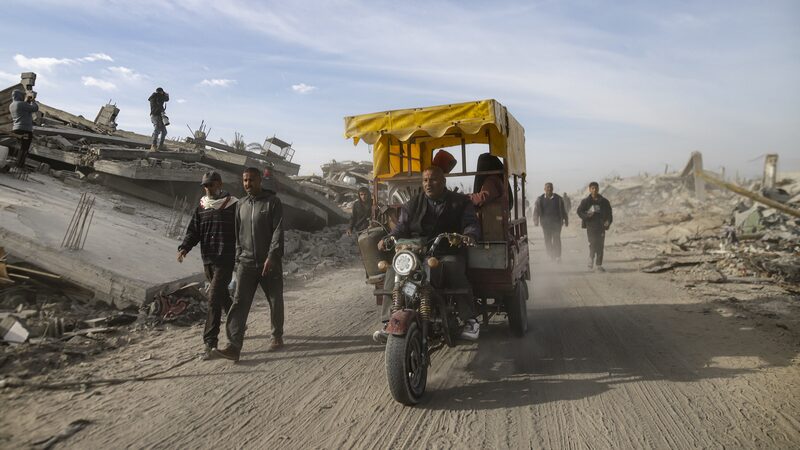
Humanitarian Toll Mounts
The International Federation of the Red Cross and Red Crescent Societies reports over 1,900 fatalities and 20,000 injuries in Iran alone. Lebanon faces parallel crises, with casualties surpassing 1,000 amid sustained cross-border clashes. Humanitarian corridors remain disrupted, complicating aid delivery.
Economic Shockwaves Intensify
The OECD's latest outlook revised 2026 global growth projections downward to 2.9%, citing prolonged regional instability. Oil prices remain volatile, with Brent crude fluctuating near $95 per barrel as market optimism for near-term de-escalation fades. Asian export economies face particular pressure from disrupted shipping routes.
Regional Security Implications
Security analysts warn of potential spillover effects across Asia, particularly for energy-importing nations. The Chinese mainland's strategic oil reserves, currently at 60 days of consumption, may face renewed scrutiny as supply chain uncertainties persist.