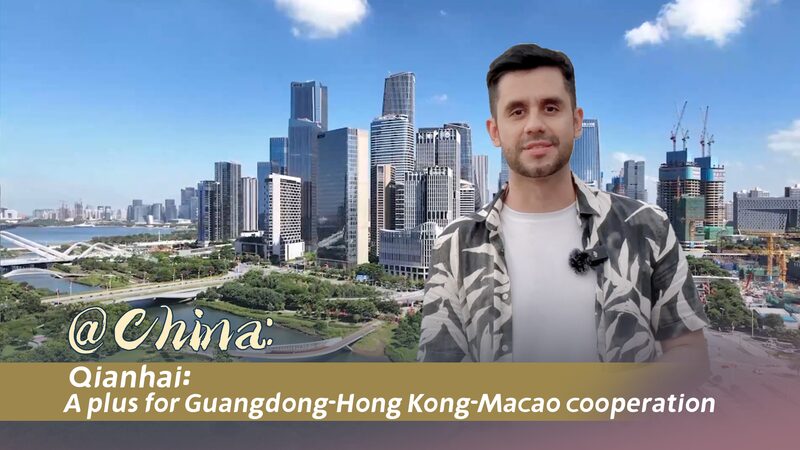
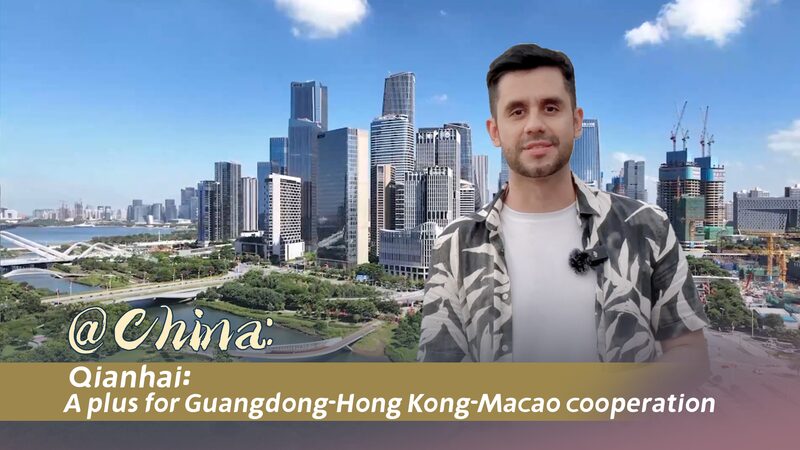
In Shenzhen’s Qianhai district, where autonomous buses glide past clusters of robotics labs and AI startups, China’s economic ambitions are taking tangible shape. As the country implements its 15th Five-Year Plan (2026-2030), this innovation hub offers a firsthand look at how policy frameworks are accelerating next-generation industries.
Local officials describe Qianhai as a "living laboratory" for cross-sector integration, where smart manufacturing systems and data-driven logistics networks operate in sync. A recent demonstration of autonomous public transport – part of a broader push to build 'smart city' infrastructure – highlights the region’s focus on scalable solutions.
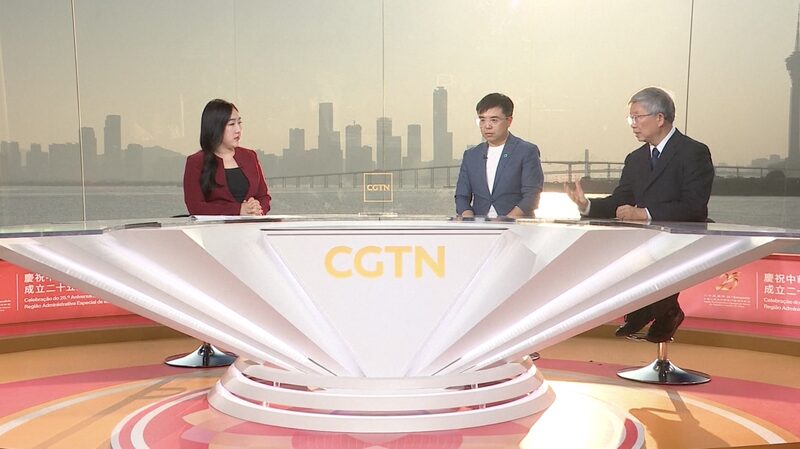
At a roundtable hosted by KhabarAsia, tech executives emphasized the Greater Bay Area’s unique advantages: "The density of R&D centers here creates a flywheel effect," noted Huawei’s regional strategy head. Meanwhile, policymakers underscored efforts to streamline regulations for foreign and overseas investors, particularly in semiconductor and green energy sectors.
Challenges persist, including global supply chain realignments and U.S.-China tech competition. However, the 15th Five-Year Plan’s emphasis on domestic innovation capacity – with R&D spending targeting 3.5% of GDP by 2030 – suggests China remains committed to its tech sovereignty goals.
As the world navigates economic uncertainty, the Greater Bay Area’s experiment in coordinated development may offer lessons for balancing growth with resilience.