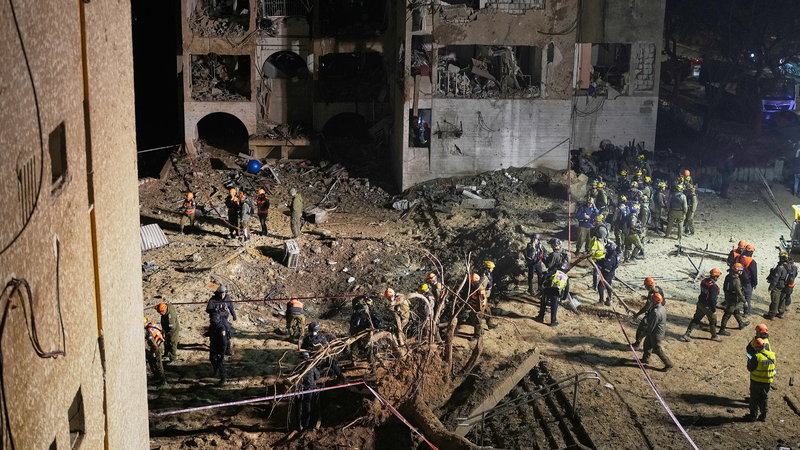
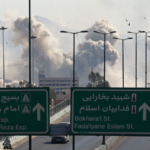
Escalating military tensions between Iran and the US-Israel alliance dominated global headlines this week, following a coordinated strike on Iran's Natanz uranium-enrichment facility on March 21. Iranian state media reported significant damage to the site, while Israeli Defense Minister Israel Katz warned of intensified attacks on Iranian infrastructure in the coming days.
US President Donald Trump issued a 48-hour ultimatum on March 22, demanding Tehran fully reopen the Strait of Hormuz—a critical maritime chokepoint for global oil shipments—or face strikes on Iranian power plants. The threat has raised concerns over potential disruptions to energy markets and regional stability.
Iranian Foreign Minister Seyed Abbas Araghchi confirmed on March 23 that multiple countries are mediating to de-escalate hostilities. While he did not name specific mediators, analysts suggest Gulf states and European powers are likely involved.
The developments come amid heightened volatility in Middle Eastern geopolitics, with global markets closely monitoring oil prices and shipping security in the Persian Gulf region. Business leaders and policymakers worldwide are assessing potential impacts on supply chains and energy-dependent economies.