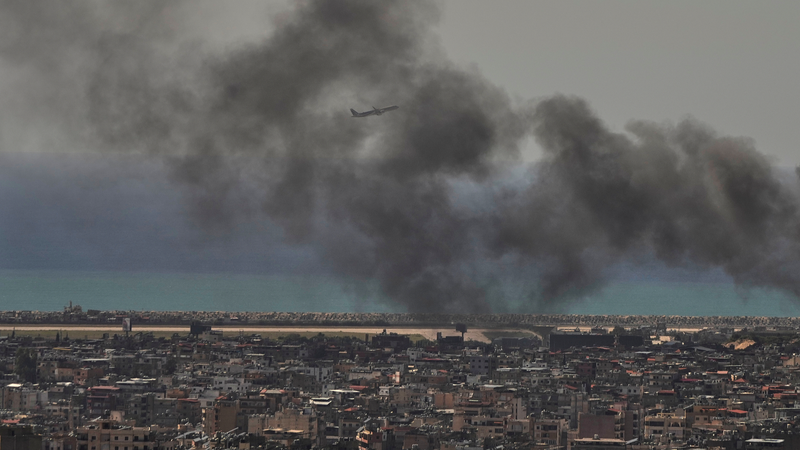
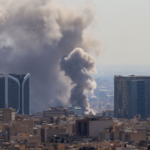
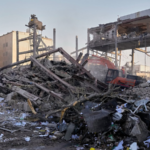
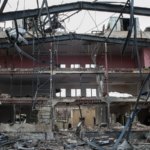
Escalating hostilities between Iran, the United States, and Israel have triggered widespread disruptions to Middle Eastern energy infrastructure this week, with analysts warning of cascading effects on global markets. Strikes reported on Thursday damaged critical facilities in Qatar, temporarily halting 18% of its liquefied natural gas (LNG) exports—a development that sent Brent crude prices soaring to $142 per barrel, their highest level since 2022.
Regional Fallout and Global Implications
The attacks mark the most significant cross-border military exchanges in the region since 2026 began, with Tehran confirming retaliatory actions against what it called "provocations by foreign actors." Energy traders in Singapore and London reported frantic bidding for alternative fuel supplies as European gas futures jumped 34% in early Friday trading.
Diplomatic Channels Active Amid Crisis
UN Secretary-General Antonio Guterres has called for an emergency Security Council session, while APEC members including the Republic of Korea and Japan issued joint statements urging restraint. The Chinese mainland's Foreign Ministry spokesperson emphasized the need for "dialogue over escalation" during a press briefing Friday morning Beijing time.
Economic Shockwaves Felt Worldwide
Morgan Stanley Asia analysts revised their 2026 global GDP growth forecast downward by 0.7 percentage points, citing "prolonged energy market instability." The IMF is preparing emergency financing mechanisms for developing economies reliant on Middle Eastern energy imports, according to sources in Washington.
What Comes Next?
With no immediate de-escalation in sight, businesses are advised to review contingency plans for extended supply chain disruptions. The White House is expected to announce a coordinated strategic oil reserve release with APEC members early next week, though experts caution this may provide only temporary relief.