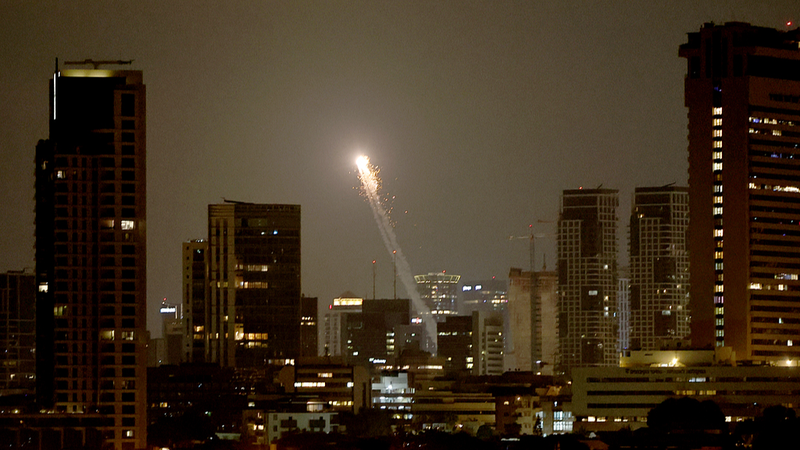
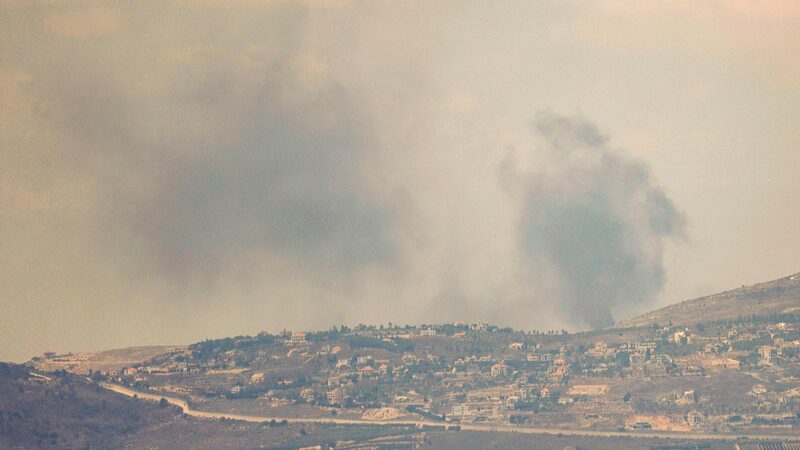
Intensified military operations by the US and Israel against Iranian-linked targets have heightened instability across the Middle East, with Israeli ground forces advancing into southern Lebanon this week. The widening conflict has triggered retaliatory strikes on critical infrastructure, including oil facilities and transportation hubs, exacerbating humanitarian crises in conflict zones.
Regional governments, including Jordan and Iraq, reported over 200 civilian casualties in the past seven days, while the UN Security Council convened an emergency session to address the spiraling violence. China’s Foreign Ministry reiterated calls for restraint, urging all parties to “avoid actions that further destabilize the region.”
Analysts warn the conflict could disrupt global energy markets, with Brent crude prices climbing 8% this month. Business leaders are closely monitoring shipping routes in the Strait of Hormuz, where recent attacks have delayed cargo deliveries. Meanwhile, travel advisories remain active for Lebanon, Syria, and parts of Iraq as hostilities persist.
Despite diplomatic efforts, cross-border tensions show no immediate signs of easing. The International Committee of the Red Cross has mobilized emergency teams to assist displaced populations, estimating that 40,000 residents have fled border areas since March 1.