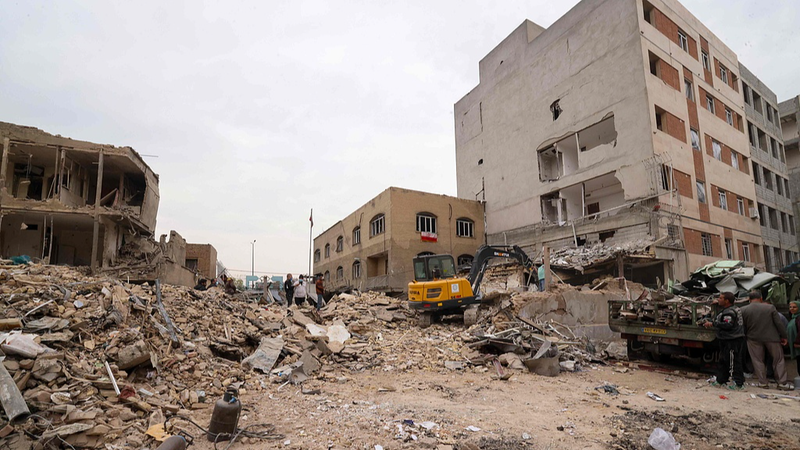
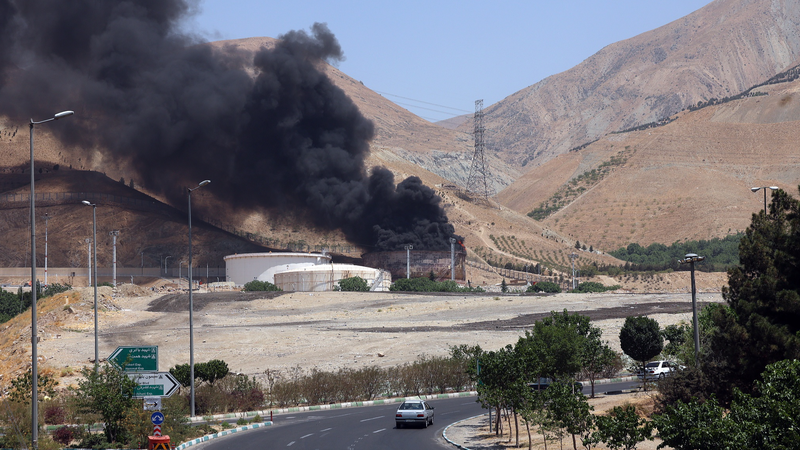
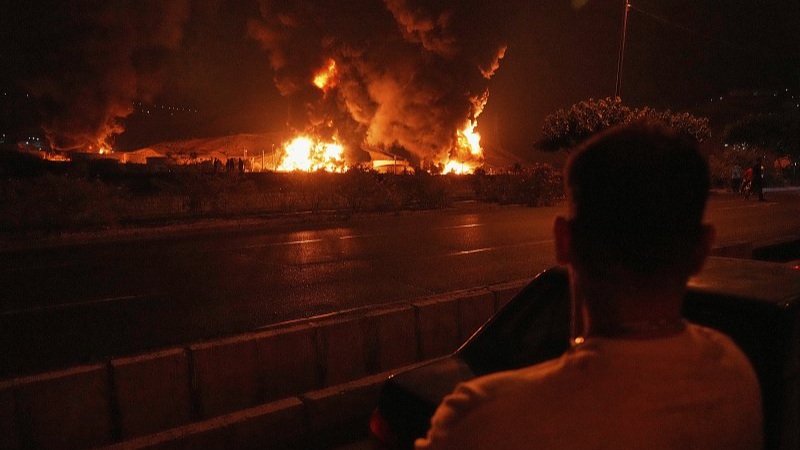
March 17, 2026 — Escalating military exchanges between the US-Israel alliance and Iran have intensified fears of a broader regional conflict, with retaliatory strikes disrupting stability across the Middle East. The latest clashes, occurring over recent weeks, mark the most significant direct confrontations between the parties since 2023, raising alarms over energy security and diplomatic fallout.
Analysts warn that continued hostilities could destabilize critical shipping lanes and further strain global oil markets, with Brent crude prices already climbing 8% this month. Business leaders are closely monitoring potential disruptions to supply chains, particularly in sectors reliant on Middle Eastern energy exports.
Regional governments, including Saudi Arabia and Qatar, have called for emergency dialogue through multilateral platforms like the Gulf Cooperation Council. Meanwhile, the UN Security Council is expected to convene later this week to address the crisis.
Travel advisories issued by multiple countries now caution against non-essential visits to areas near conflict zones, while diaspora communities worldwide await updates on civilian safety. Academics emphasize the need for nuanced historical context when assessing the rapidly evolving situation.