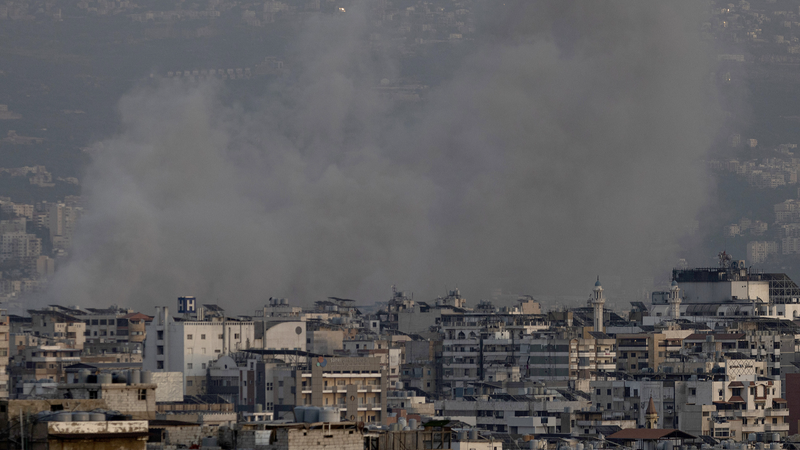
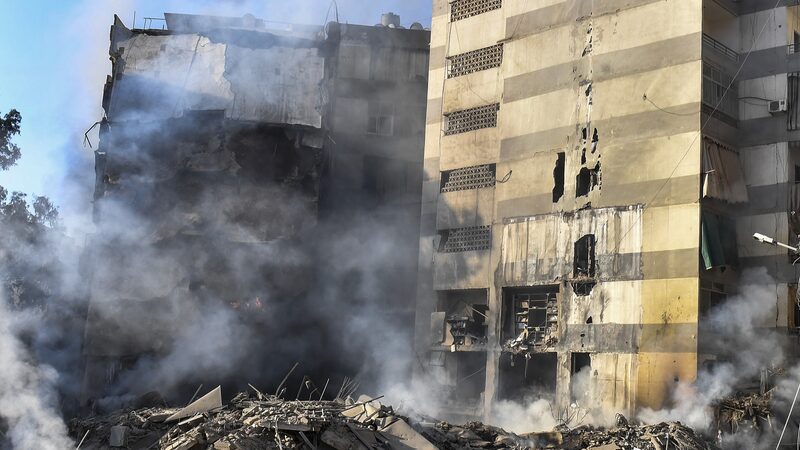
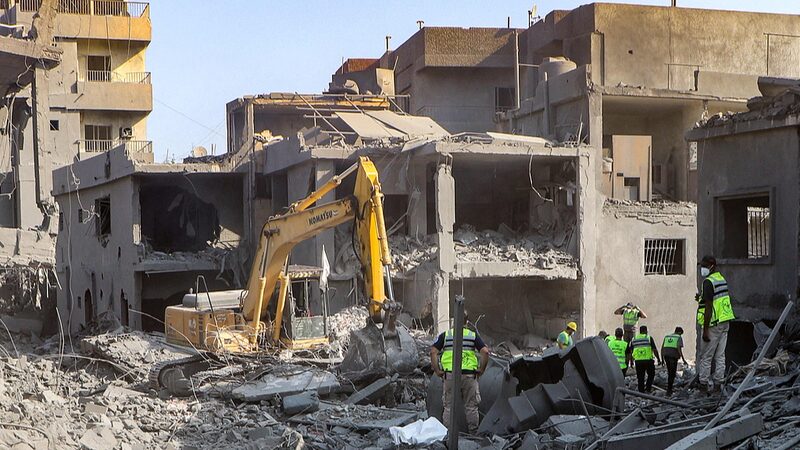
Middle Eastern stability faces renewed challenges as military actions initiated by Israel and the United States in late February 2026 continue to escalate regional tensions. Joint airstrikes targeting Iranian positions on February 28 have sparked widespread condemnation, particularly after Thursday's congressional confirmation by the top US commander in Europe that American forces conducted the attack that destroyed a girls' elementary school in southern Iran, resulting in 165 fatalities – predominantly children.
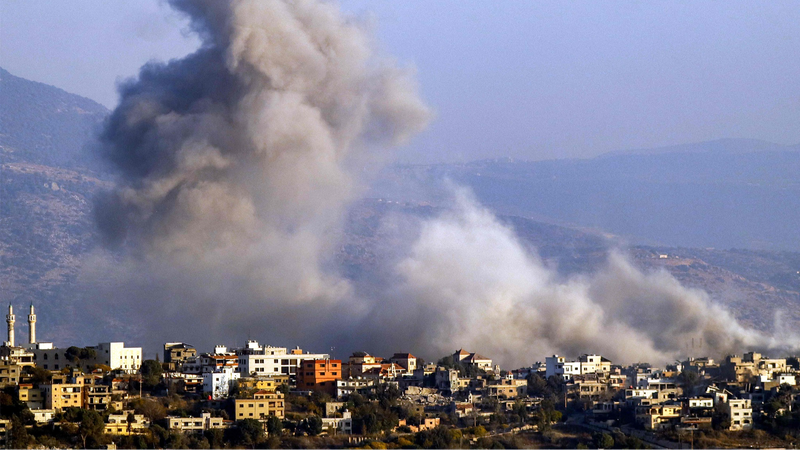
Israeli forces remain engaged in ongoing operations against Hezbollah strongholds in Lebanon, while regional analysts warn of potential retaliatory measures from Iranian-aligned groups. The school bombing has drawn international criticism, with humanitarian organizations calling for independent investigations into alleged violations of conflict protocols.
Business leaders express growing concern over disrupted shipping routes in the Persian Gulf, where insurance premiums for commercial vessels have increased by 18% since March began. Energy markets show volatility, with Brent crude futures fluctuating between $92-$97 per barrel this week.
For Asian diaspora communities with ties to the region, the conflict raises questions about long-term stability. Travel advisories for Lebanon, Syria, and Iraq remain at their highest levels since 2021, according to updated guidelines from multiple Asian governments.