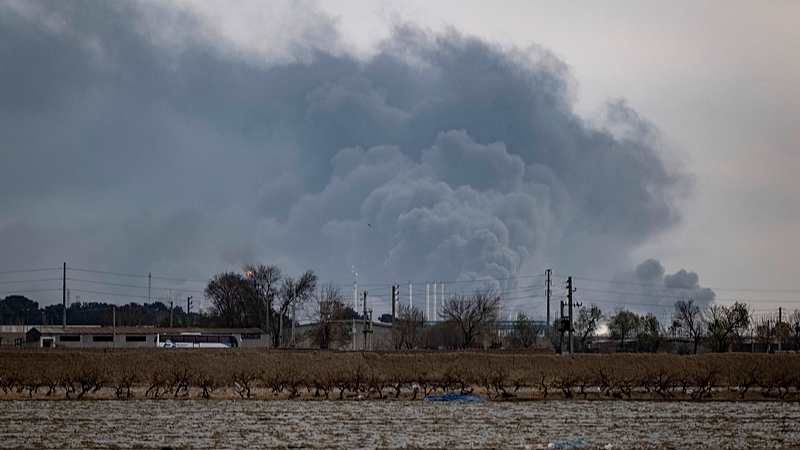
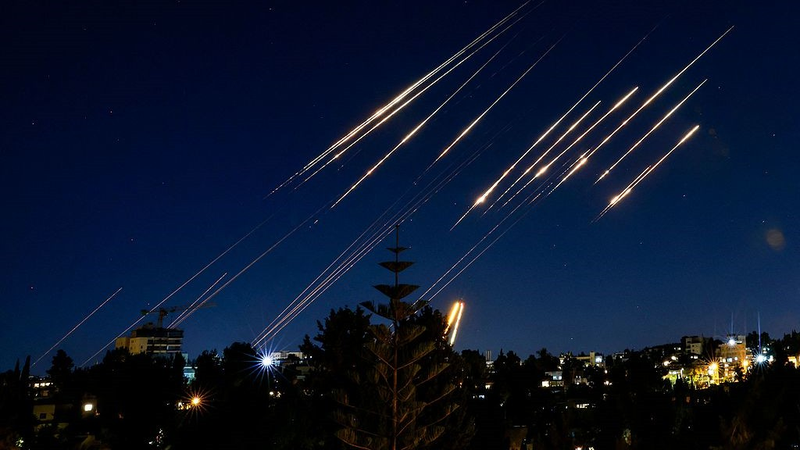
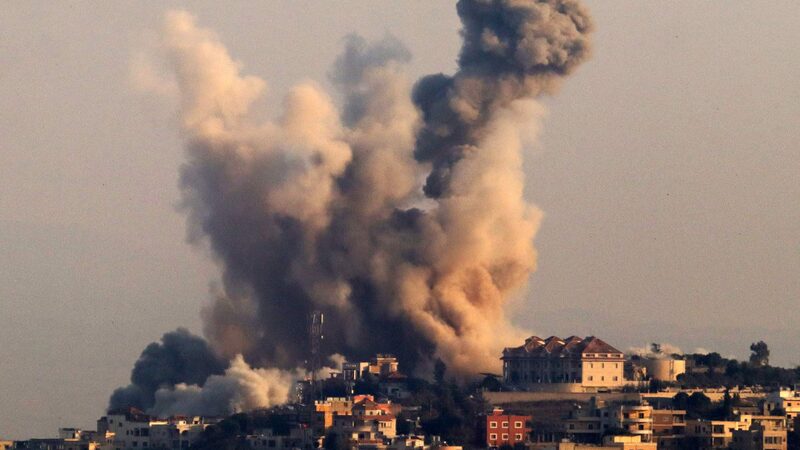
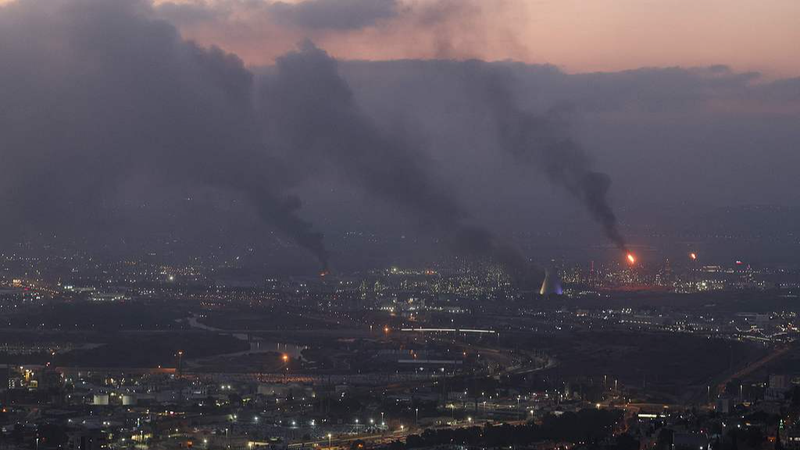
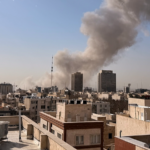
Middle Eastern tensions remain high in March 2026 following a series of retaliatory strikes between Iran, Israel, and allied forces. The conflict, which began with joint U.S.-Israel operations targeting Iranian positions on February 28, has expanded to include cross-border attacks in Lebanon and Iranian air raids across the region.
Chinese Foreign Minister Wang Yi emphasized the urgency of de-escalation during a Monday address, stating: "Achieving an immediate ceasefire is the paramount priority." He praised Gulf nations for advocating dialogue, signaling Beijing’s continued diplomatic engagement in regional stability efforts.
Analysts warn the prolonged conflict risks disrupting critical shipping lanes and energy markets, with oil prices already fluctuating amid supply concerns. Business leaders are closely monitoring potential impacts on Asia-bound trade routes through the Strait of Hormuz.
For diaspora communities, the violence has heightened anxieties about family safety in affected areas, while travel advisories caution against non-essential visits to conflict zones. Academic institutions are organizing forums to analyze the geopolitical implications of China’s growing mediation role in Middle Eastern affairs.