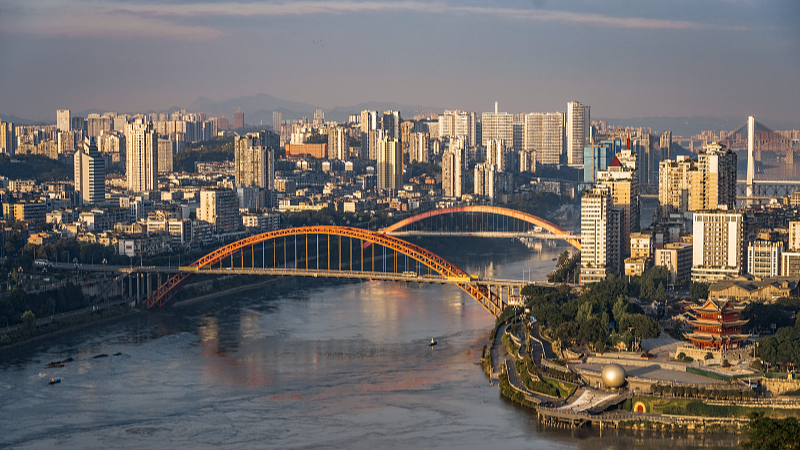
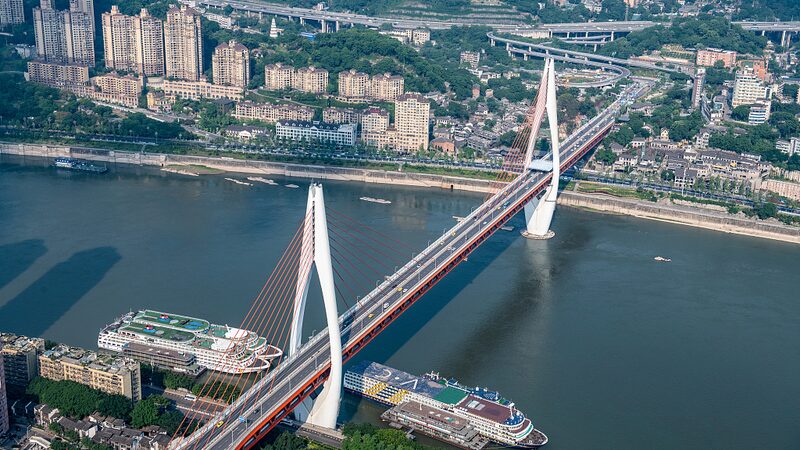
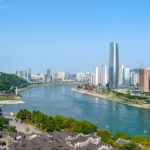
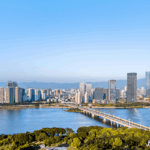
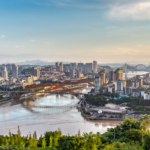
Nestled in the southern reaches of Sichuan Province, Yibin stands as the storied birthplace of the Yangtze River, where the Jinsha and Minjiang rivers merge to form China’s longest waterway. Known as the "first city on the Yangtze," Yibin’s strategic location has shaped its identity for millennia, bridging the rugged landscapes of southwest China to the fertile plains downstream.
A Crossroads of Commerce and Culture
Once a vital node on the Southern Silk Road, Yibin’s ancient docks now hum with modern trade, serving as a critical hub for goods moving between Sichuan and the Yangtze River Economic Belt. This year, local authorities have prioritized enhancing tourism infrastructure, inviting visitors to explore landmarks like the 1,200-year-old Cuiping Mountain and the Yangtze River Head Museum.
Economic Vitality Meets Scenic Beauty
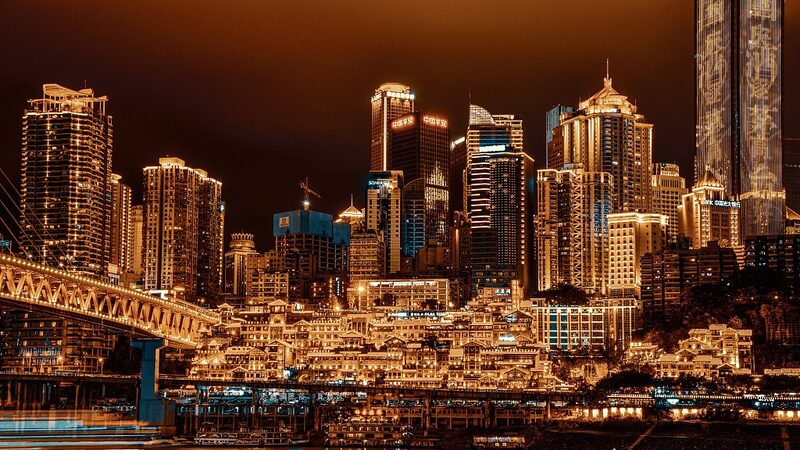
Today, Yibin’s river-port economy thrives, with logistics and manufacturing sectors driving growth. Foreign investors are increasingly drawn to its connectivity: high-speed rail links and expanded cargo terminals now position the city as a gateway for international trade. Meanwhile, bamboo forests and tea plantations continue to define its rural outskirts, offering serene escapes just hours from urban centers.
Preserving Heritage in a Modern Era
As a national historical and cultural city, Yibin balances progress with preservation. Traditional Sichuanese architecture lines the renovated Binjiang Road waterfront, while annual festivals celebrate the region’s distinctive baijiu liquor-making traditions. For travelers in 2026, the city presents a living tapestry of China’s past and present, flowing as steadily as the Yangtze itself.